
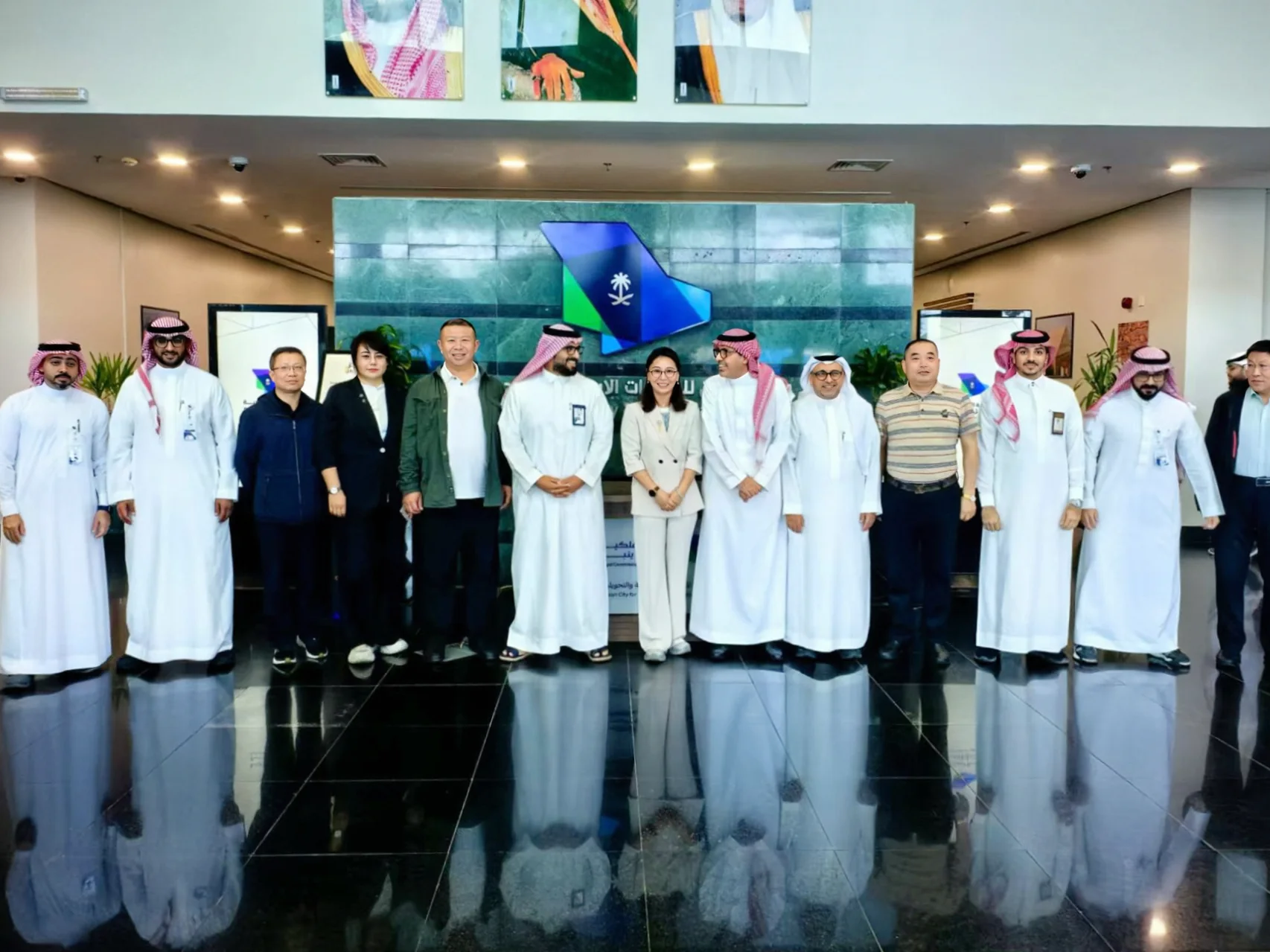
Yinchuan, Ningxia — Panson New Material Technology (Ningxia) Co., Ltd. recently concluded a pivotal four-day technical and commercial program with a Dubai-based corporate delegation. This landmark visit marks a significant step in Panson’s strategy to strengthen its presence in the dynamic Middle Eastern market. The delegation toured our 28,000-square-meter industrial complex, witnessing firsthand our advanced manufacturing systems and diverse product portfolio, while reviewing production controls, sampling protocols, and the documentary trail that accompanies export shipments from Ningxia to Gulf and Red Sea discharge ports.
Forging Strong Partnerships
“Our time at Panson has been incredibly insightful. We’re eager to explore how our networks can align to bring Ningxia’s innovations to the Middle East.” — Head of the Dubai delegation
“This visit has validated our position as a leading player in advanced materials and illuminated pathways for Panson to contribute to the growth of industries in the Middle East.” — Fengqi, CEO of Panson New Material Technology
Why Face-to-Face Audits Still Matter in Carbon Supply
Carbon additives travel long distances and pass through multiple handling steps before they reach a melt shop. Buyers in the Gulf region increasingly mirror European and East Asian practice by asking not only for ISO 9001 and third-party assay folders, but for evidence of internal retests, retention samples, and change-control when raw seams or furnace campaigns shift. A plant walkthrough allows metallurgists and procurement managers to connect those policies to physical assets: laboratory equipment, stock segregation, packaging lines, and the logistics staging that affects moisture and contamination risk.
For Panson, hosting regional partners on site is an opportunity to align expectations before the first trial lot arrives at their jetty or warehouse.
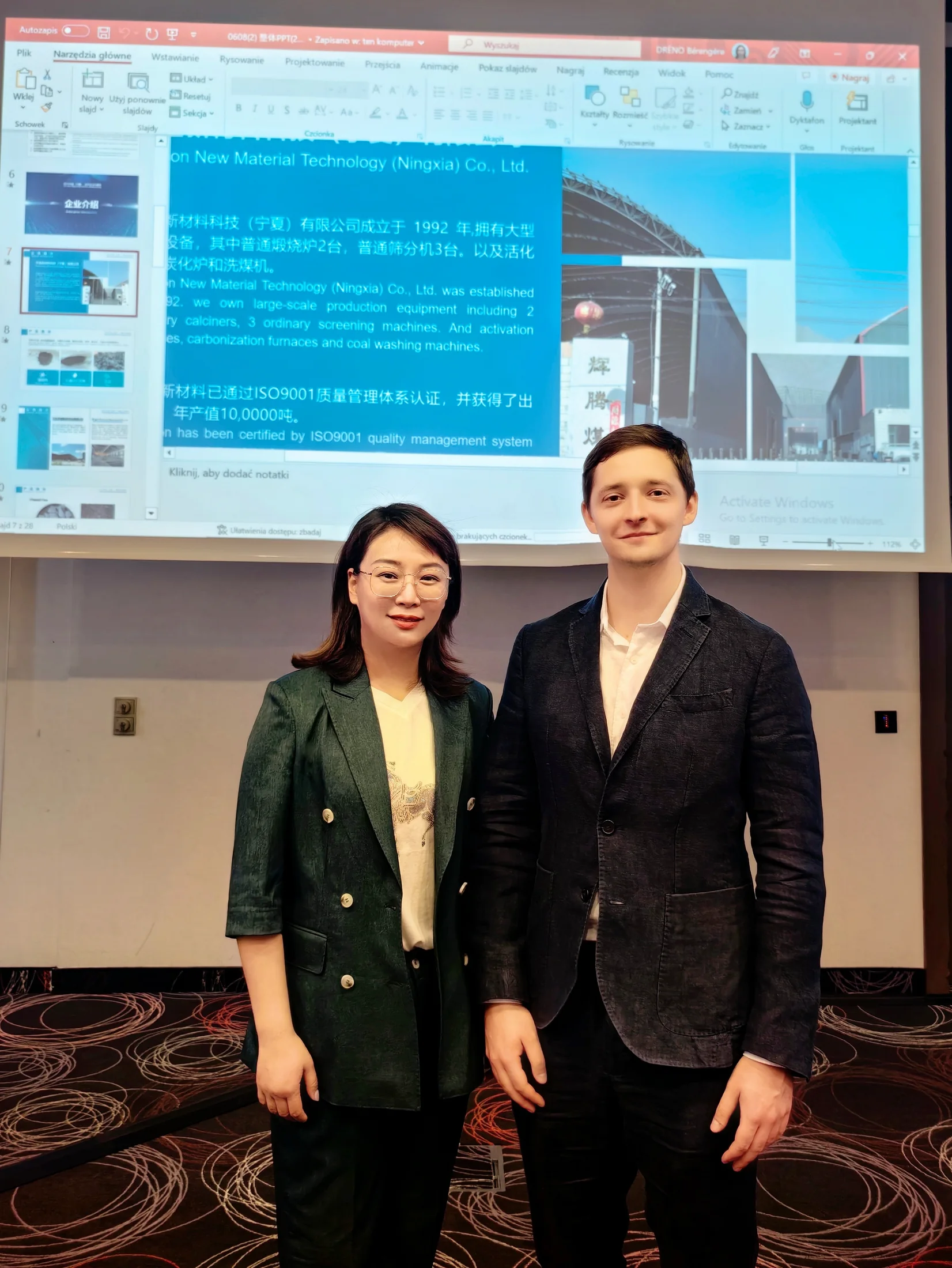
Technical Focus of the Four-Day Agenda
The program combined structured sessions with open-floor discussion. Delegates reviewed typical certificate of analysis formats for calcined anthracite and petroleum coke grades, including how sulfur, ash, and volatile matter limits are enforced batch to batch. Particle size specifications—critical for EAF shops that charge through buckets and for operations that use injection systems—were discussed with reference to standard sieve methods and the plant’s internal tolerances.
Logistics and documentation workflows received equal attention: moisture protection in container and break-bulk packing, draft survey considerations, and the communication chain when a vessel delay or transshipment might affect storage conditions. For Middle Eastern buyers managing just-in-time inventory through regional hubs, that operational detail often matters as much as the chemistry slide in the presentation deck.
Regional Steel Growth and Sourcing Strategy
Steel capacity additions and downstream fabrication clusters across parts of the Middle East continue to support steady import demand for metallurgical inputs, including recarburizers and alloy complements. At the same time, buyers are diversifying supply routes to reduce concentration risk and to secure vendors who can sustain documentation quality across multiple years of contract supply—not only on the first cargo.
Panson’s integrated position—proximity to premium anthracite resources, in-house processing, and export experience into demanding markets—maps cleanly onto that requirement set.

Commitment to Partnership Beyond the Visit
The delegation left with agreed next steps on sample trials, specification fine-tuning, and communication channels for technical follow-up. Panson views these engagements as the start of a operating partnership: when a heat shop reports an unexpected analysis or a sizing issue at discharge, the response should be data-driven and fast, not a generic commercial holding message.
As the company deepens its Middle Eastern footprint, it will continue to invest in transparent plant access, consistent laboratory practice, and the documentation discipline that international steel groups now expect from any strategic carbon supplier.