
Silicon Carbide (SiC)
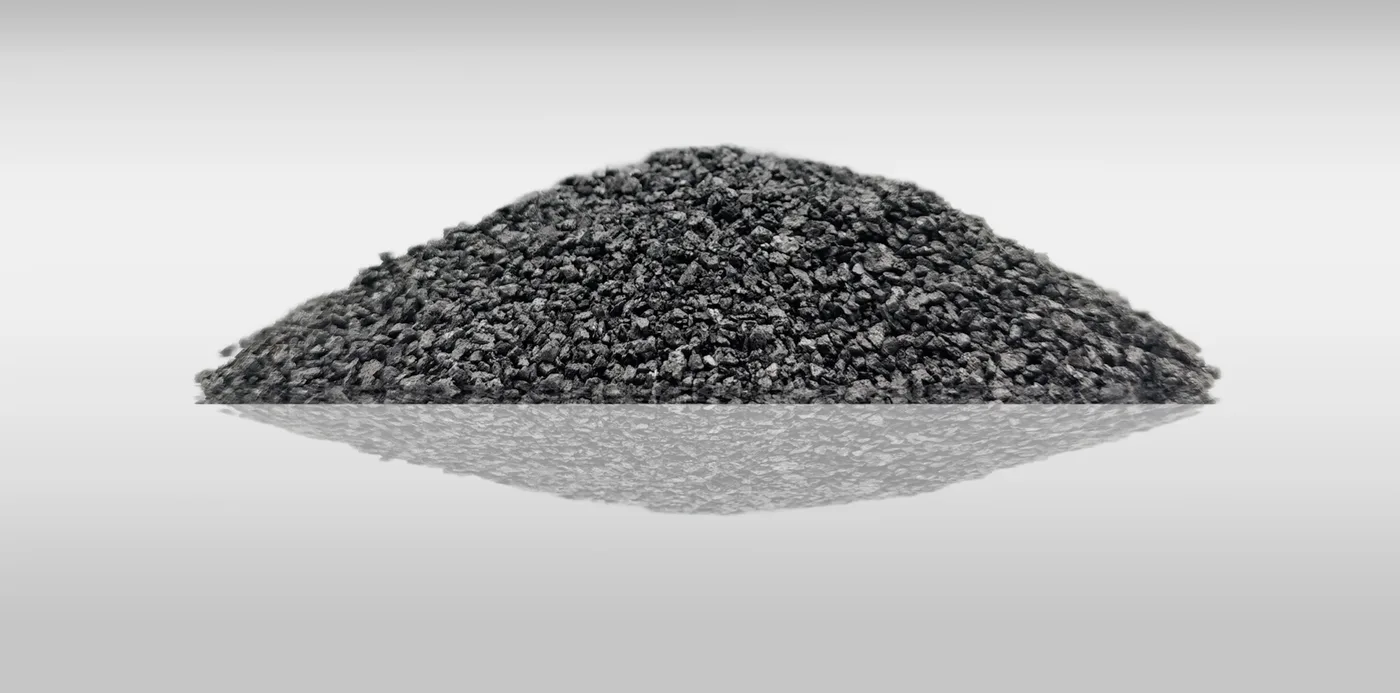
Silicon Carbide
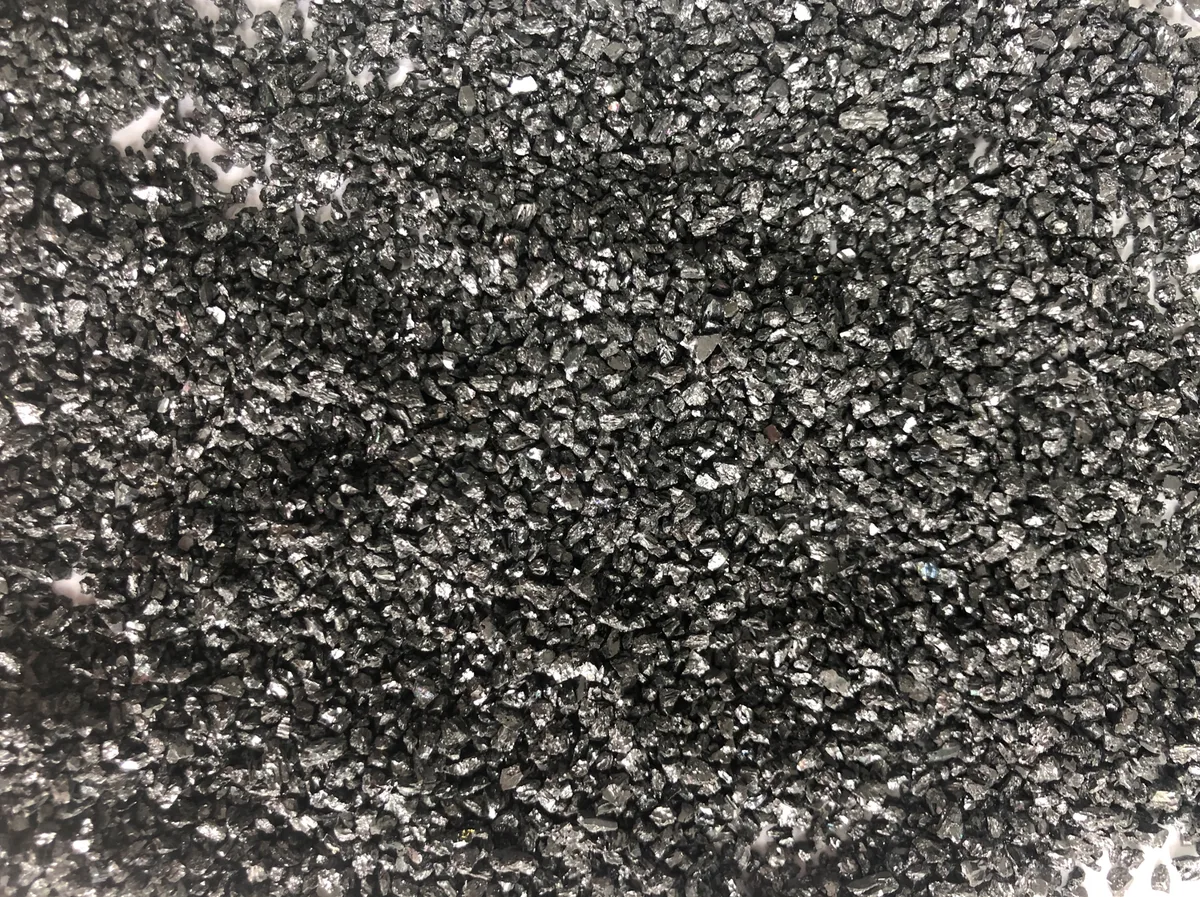
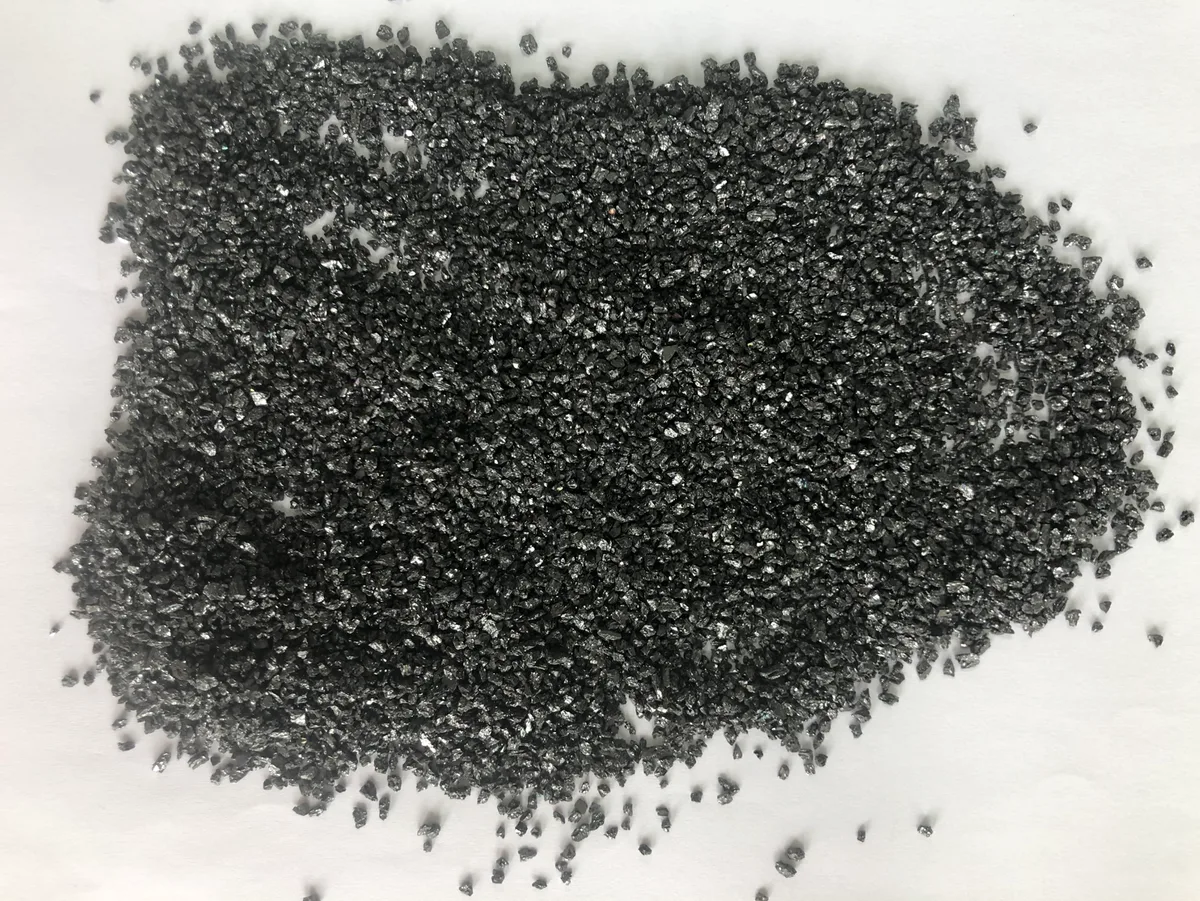
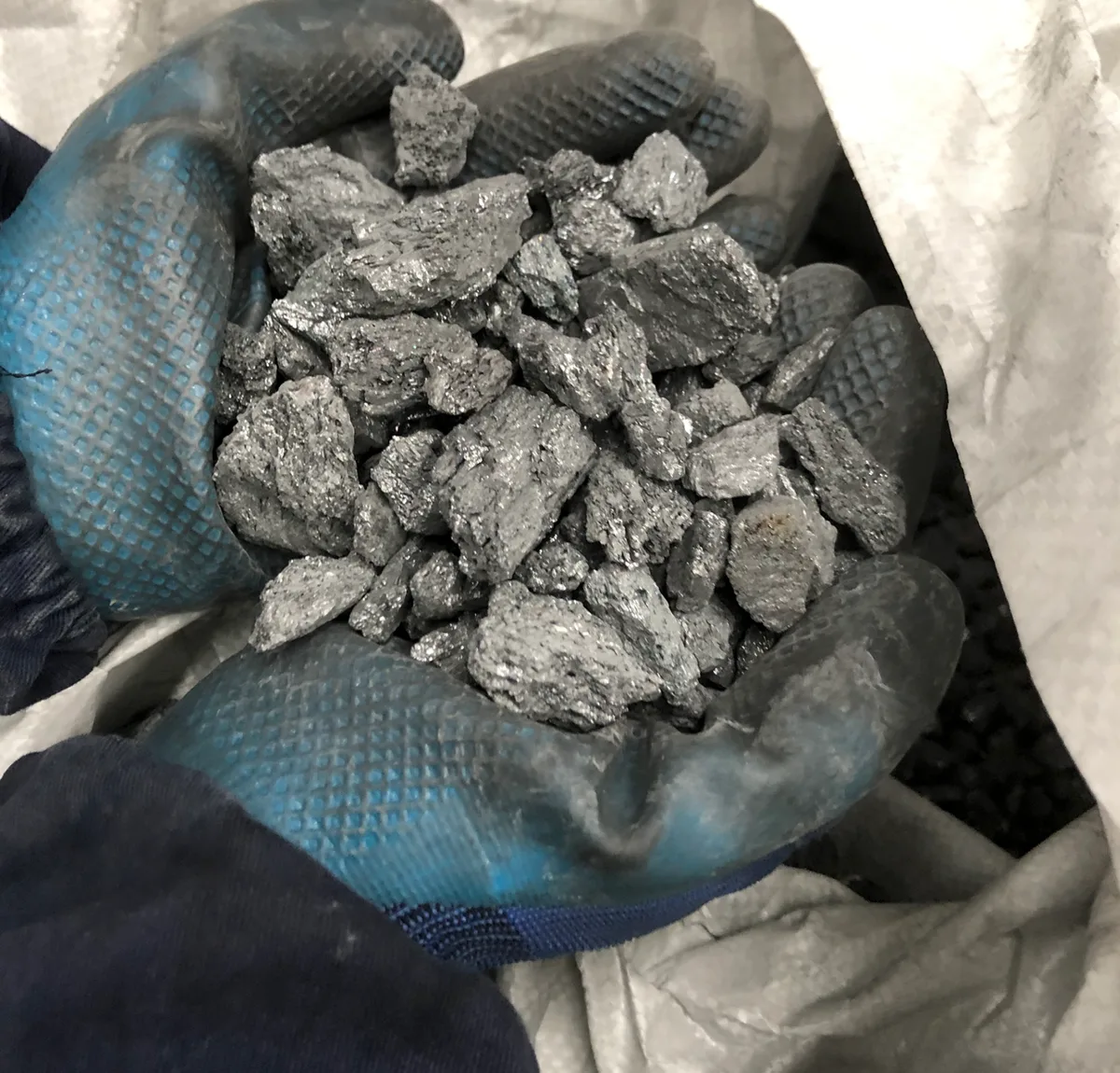
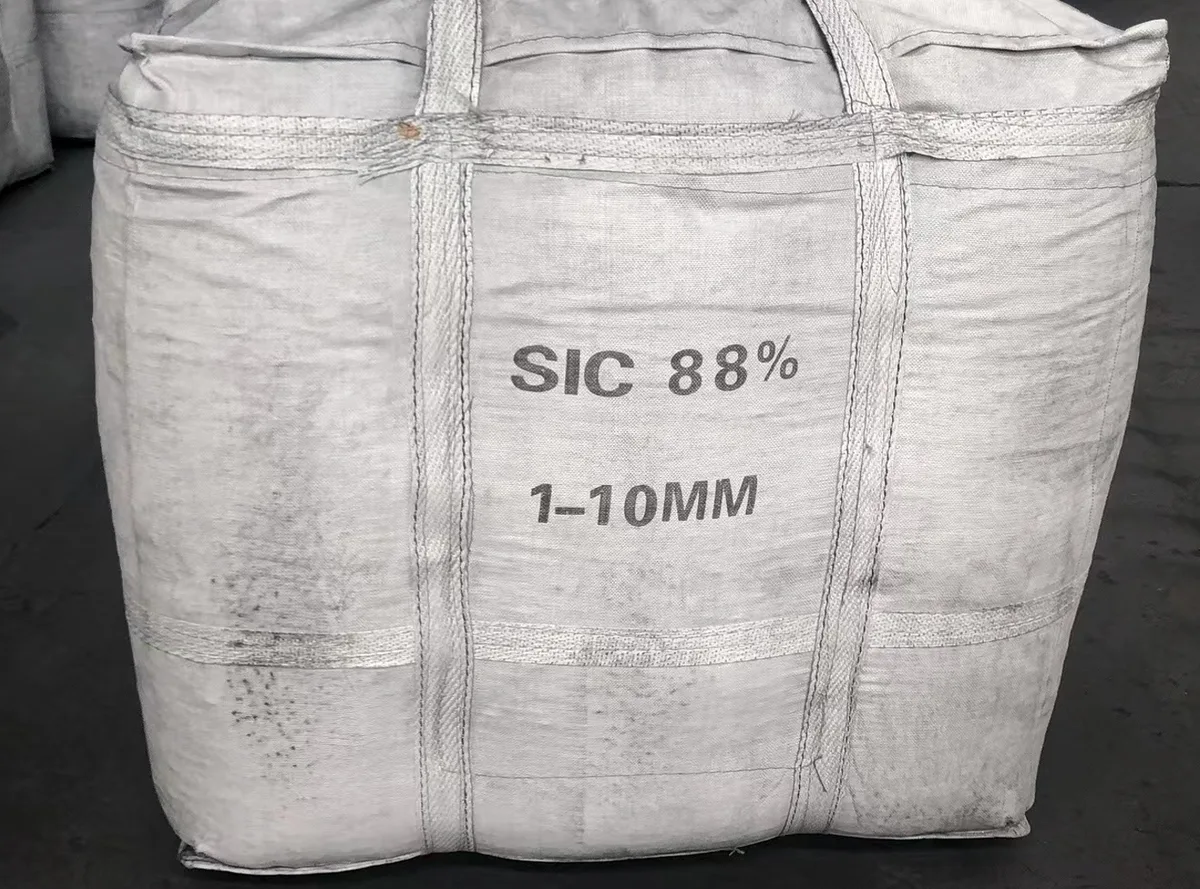
Metallurgical silicon carbide (SiC) functions in steelmaking as a dual deoxidizer and as a coupled source of carbon and silicon, which is why melt shops model it differently from a simple recarburizer even when the charge sheet lists it beside carbon additives. In electric arc furnace practice, oxidation of silicon supplied from SiC releases exothermic energy that can offset on the order of 10–15 kWh per tonne of steel depending on practice—a temperature-economy effect that interacts directly with power profiles and tap temperature targets. At the same time, the carbon fraction dissolves into the bath while silicon participates in deoxidation and slag–metal equilibria, lowering FeO in slag and supporting metallic yield when the furnace is balanced correctly. Our metallurgical offering spans SiC content from 60% to 90% as described for process grades, allowing buyers to align reactivity, cost, and residual silicon objectives without defaulting to refractory-grade material. Production via the Acheson process near 2,000°C yields the hardness, thermal stability, and controlled sizing expected in industrial blends. Technically, SiC is selected when EAF operators want deoxidation intensity, incremental heat, and carbon contribution in one addition rather than sequencing separate ferroalloys and recarburizers—provided the silicon balance of the heat can absorb the silicon input.
Production Regions & Raw Materials
Silicon carbide is primarily produced through the Acheson process, which involves heating a mixture of silica (SiO₂) and carbon (typically in the form of coke) in an electric furnace at temperatures around 2000°C.
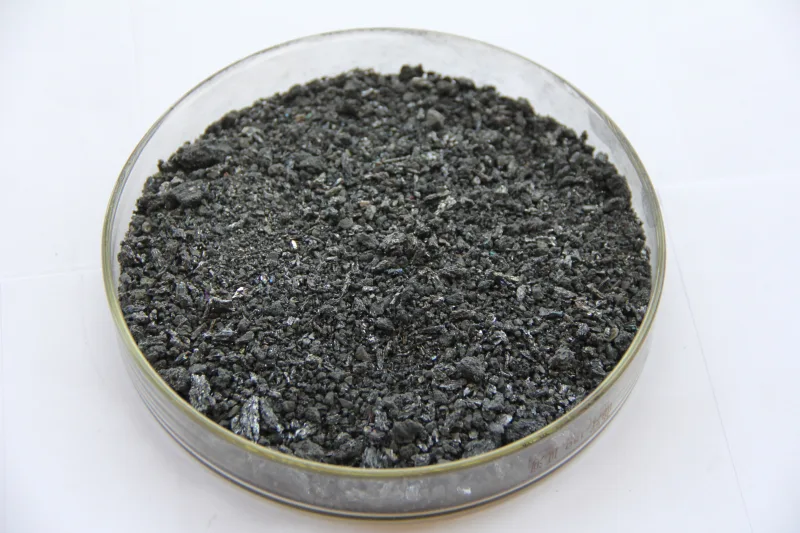
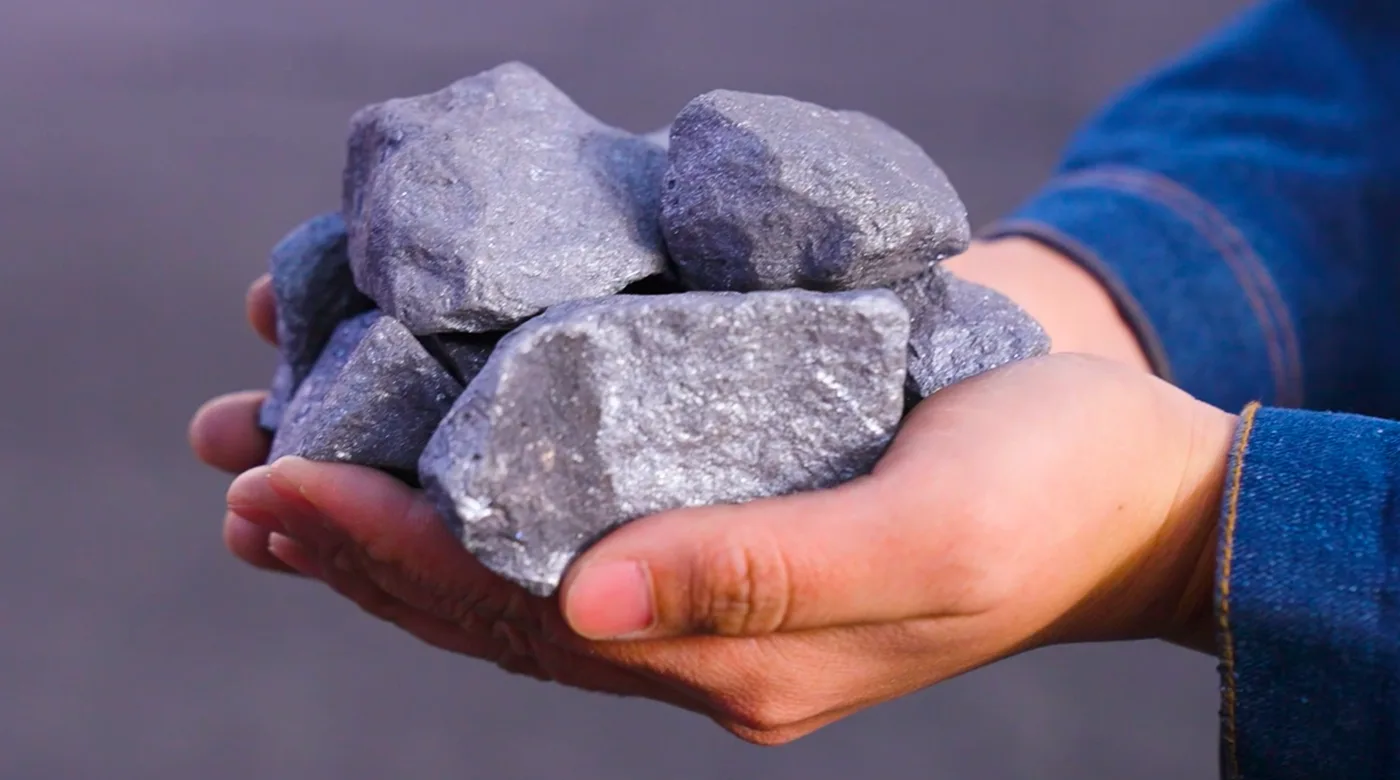
Technical Characteristics & Performance
Key Features
- Extremely hard material
- Efficient heat dissipation
- Chemically stable in environments
- Semiconductor for high temp
Additional Benefits
- Low thermal expansion rate
- Corrosion-resistant to chemicals
- Wide industrial applications
- Produced via Acheson process
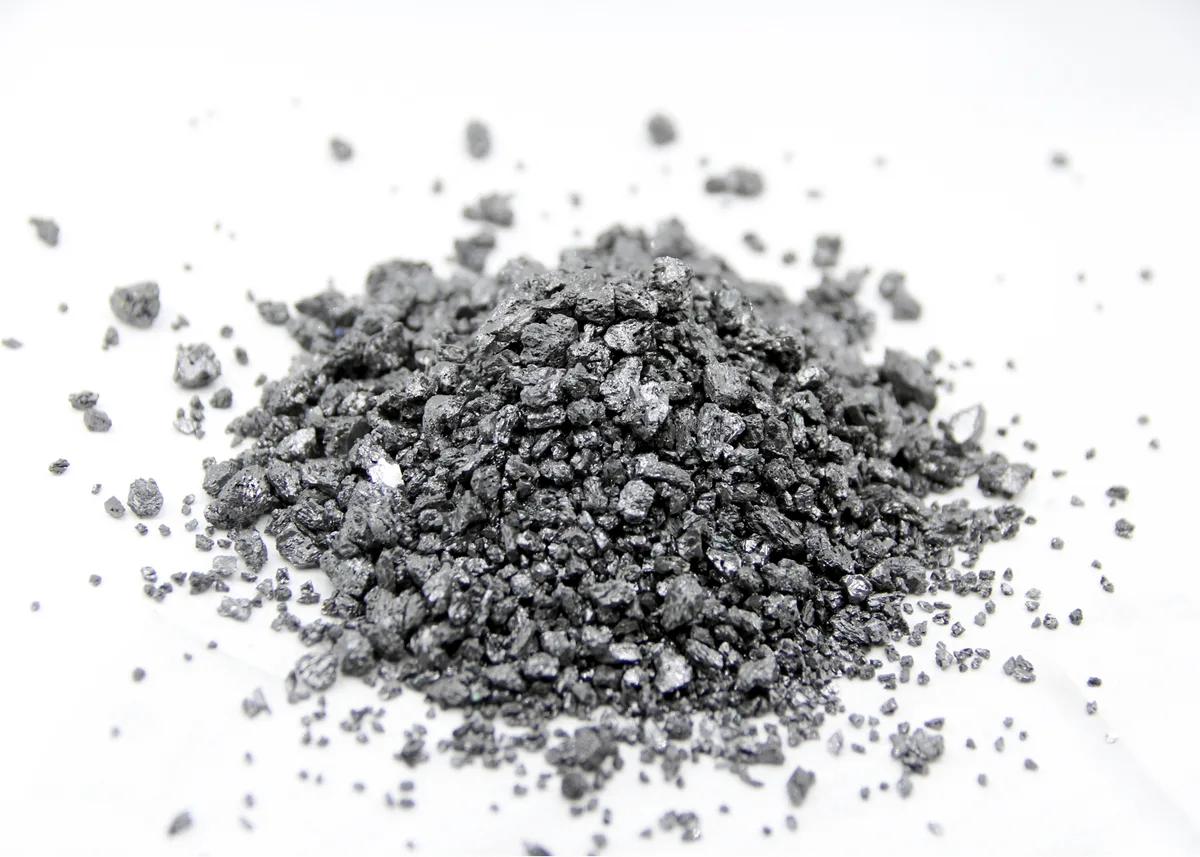
Product Comparison
Review related grades side by side on their product pages to compare specifications and typical applications.
Image Gallery
Technical Resources
Frequently Asked Questions About Silicon Carbide
How is Silicon Carbide used in steelmaking?
What SiC grades are available for metallurgical use?
About Panson Carbon
Backed by 34+ Years of Carbon Expertise
When you source carbon from Panson, you are partnering with a manufacturer who has built three decades of metallurgical knowledge into every product specification. Our in-house laboratory, vertically integrated production lines, and dedicated technical sales team exist for one purpose: to ensure the carbon you receive performs exactly as your metallurgists expect.
Learn more about us"Panson's calcined anthracite coal has significantly improved our steel production efficiency. Their consistent quality and reliable supply have made them our go-to partner."
"The carbon additives from Panson have enhanced our cast iron quality remarkably. Their technical support and product range are unmatched in the industry."
Silicon Carbide Applications
Steel & Iron
Carbon additive for steelmaking restores bath carbon lost to oxidation during melting and refining—EAF heats often see on the order of 0.15–0.25% carbon burn-off per heat from scrap and slag interaction—so operators can hold narrow chemistry bands from charge to tap. In EAF practice, recarburizer and carbon raiser additions are timed with power-on, bath formation, and ladle treatment to match dissolution behavior to tap-to-tap rhythm and energy use. Basic oxygen furnace (BOF) and secondary steelmaking still rely on controlled carbon inputs and trim additions where sulfur, nitrogen, and ash limits define grade acceptance. Silicon carbide can act as a deoxidizer while contributing carbon and silicon, supporting slag–metal balance in demanding heats. CAC, GPC, CPC, Semi Coke, and SiC are selected for fixed carbon, impurities, and sizing that align with bucket, bath, or injection routes.
Non-Ferrous Metal
Non-ferrous routes—from Hall–Héroult aluminum cells to secondary copper and specialty alloys—depend on carbon and silicon carbide inputs that respect conductivity, reactivity, and trace impurity envelopes. Anode-grade carbon materials must support stable cell operation and metal quality; deviations in density or impurities can show up as dusting, instability, or off-spec metal. In copper, deoxidizer selection (including SiC-based practice where it fits the flowsheet) ties to oxygen control for conductivity-critical grades. High-temperature melting and refining still use carbon and SiC where chemical reduction, slag control, or exothermic contribution matters. Our portfolio is positioned for these roles with grades and sizing aimed at furnace type and quality targets—not generic “carbon in, metal out” supply.
Chemical
Silicon carbide is widely used where ceramics see simultaneous heat, corrosive atmospheres, and thermal shock—kiln furniture, setter plates, and furnace hardware operating from roughly 1,200 °C up through the highest practical firing regimes depend on SiC’s thermal shock resistance and hot strength. In fixed- and fluidized-bed units, SiC-based media and supports can stabilize temperature distribution and withstand erosive flow when catalyst carriers must last whole campaigns. Carbothermic and high-temperature reductions also draw on high fixed-carbon materials when a controlled carbon source is part of the chemistry. For carbon electrodes and conductive carbon forms, low ash and consistent real density support electrical and process predictability. Our SiC, CAC, and GPC lines map to refractory structure, reduction chemistry, and conductive carbon needs in chemical and materials plants.
Interested in Silicon Carbide?
Request a free sample to validate performance in your own furnace, or speak with our technical team about optimizing your carbon addition practice for better recovery and lower total cost.
Contact Us Now