
Calcined Petroleum Coke (CPC)
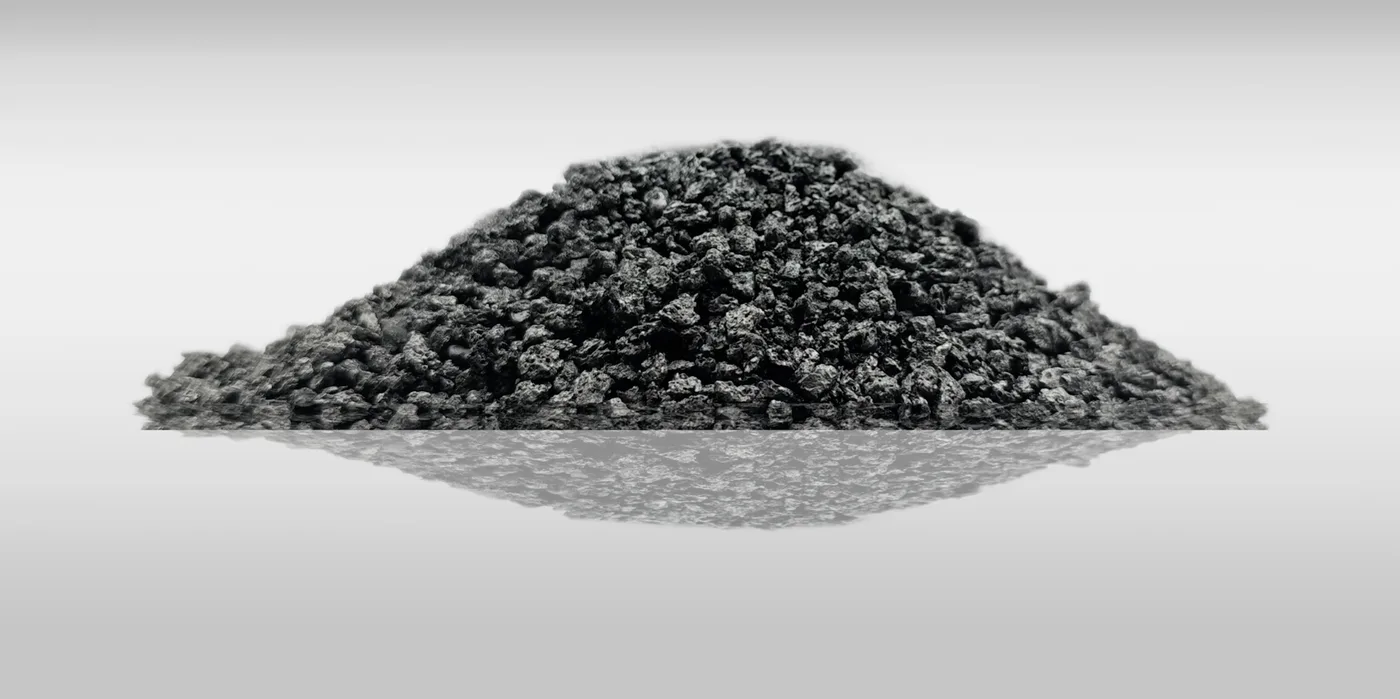
Calcined Petroleum Coke
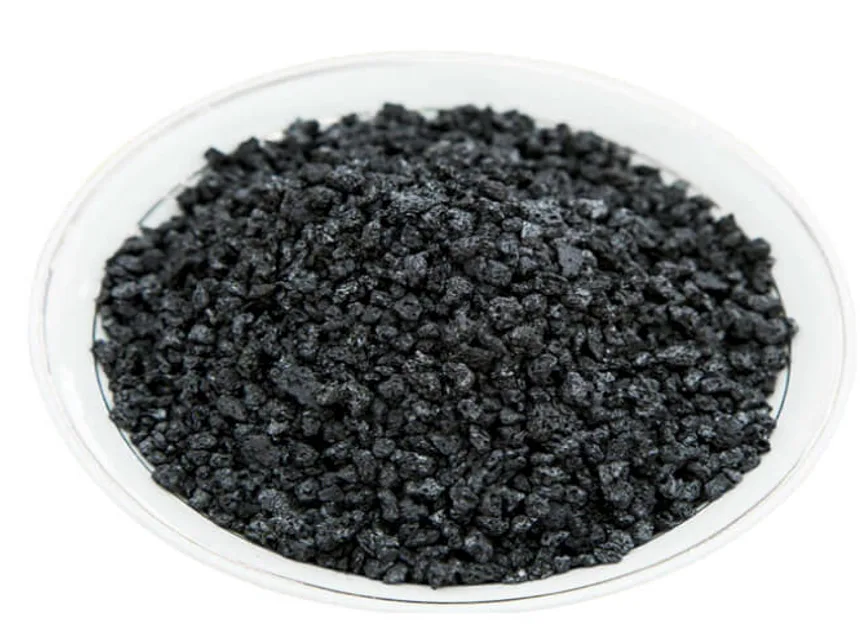
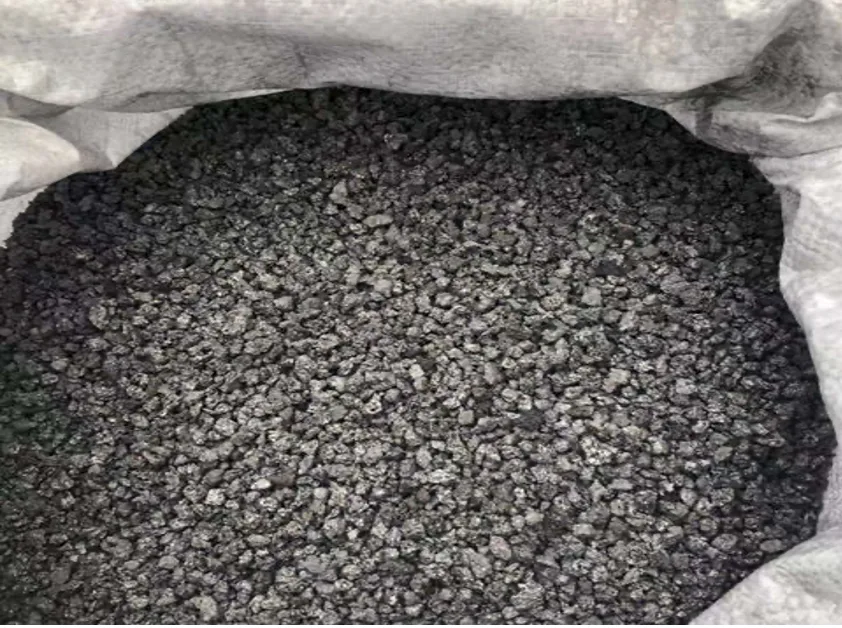
Calcined petroleum coke (CPC) is produced by calcining selected green petroleum coke in rotary or shaft kilns at about 1,200–1,400°C, a step that strips volatile hydrocarbons and moisture to leave a high-fixed-carbon carbon additive whose properties inherit from the petroleum precursor. In our grade structure, CPC is positioned at FC ≥98% with sulfur controlled across standard, premium, and low-sulfur SKUs shown in the specification table, which gives steelmaking and foundry buyers a ladder between economical anthracite-based recarburizers and premium graphitized petroleum coke when cost-performance balance and volume contracting drive the decision. Uniform particle size distribution and repeatable batch chemistry support predictable carbon recovery in electric arc furnace and ladle additions, where charge modeling ties directly to kWh per tonne and slag foam behavior. CPC's electrical conductivity also maps cleanly to Hall–Héroult anode stock and related carbon applications in primary aluminum, where conductivity and impurity limits enter the plant mass balance alongside steelmaking demand. Versatility is the practical selling point: the same calcined pet coke family can serve as a recarburizer in ferrous melting and as a structured carbon source in non-ferrous flows, as long as each plant matches grade to sulfur, ash, and sizing requirements. Procurement teams therefore use CPC when they need petroleum-coke calcination pedigree, high fixed carbon, and flexible deployment across heats without automatically paying the graphitization premium.
Production Regions & Raw Materials
CPC is produced by calcining green (raw) petroleum coke in rotary kilns or shaft kilns at 1200-1400°C. This process drives off volatile compounds and moisture, resulting in a nearly pure carbon product with excellent mechanical and electrical properties.
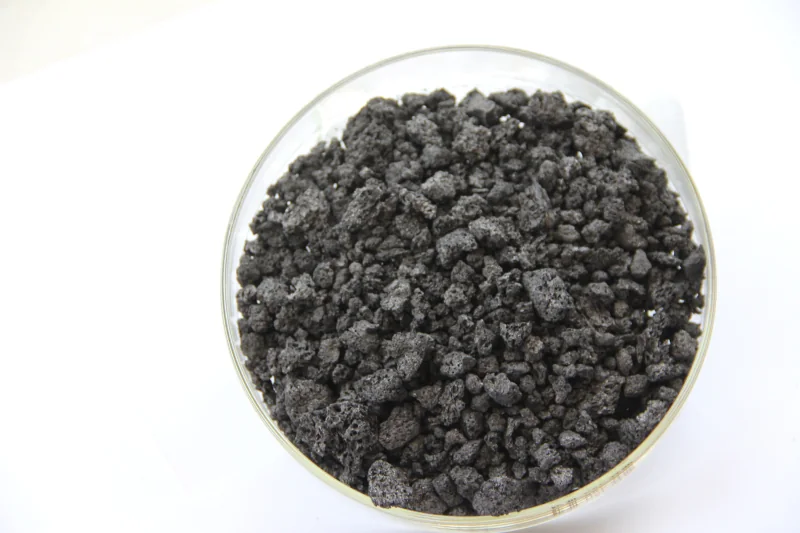
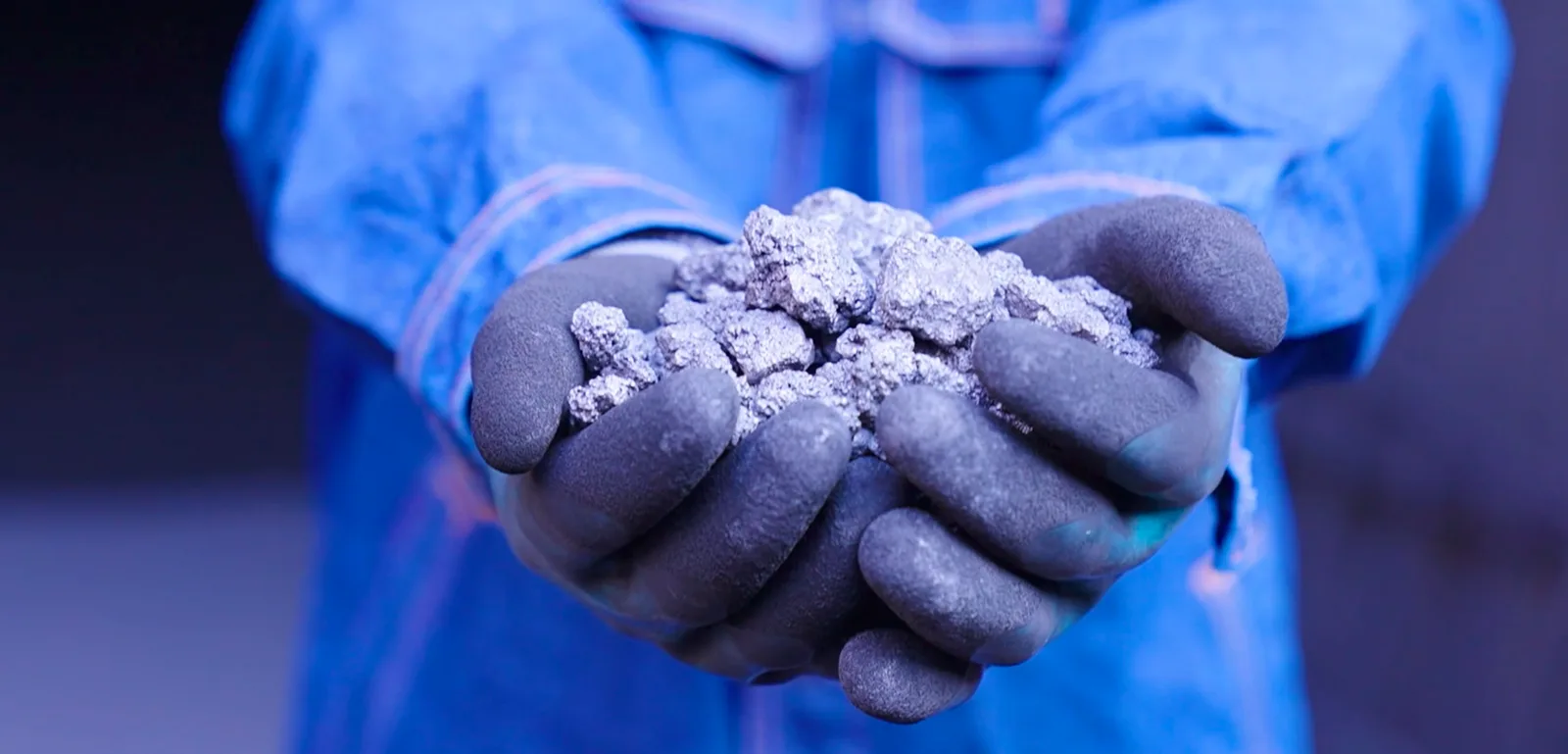
Technical Characteristics & Performance
Key Features
- High fixed carbon content: ≥98%
- Low sulfur content: ≤0.5%
- Low moisture: ≤0.5%
- Excellent carbon recovery rate
Additional Benefits
- Uniform particle size distribution
- Low volatile matter: ≤1.0%
- High electrical conductivity
- Consistent batch-to-batch quality
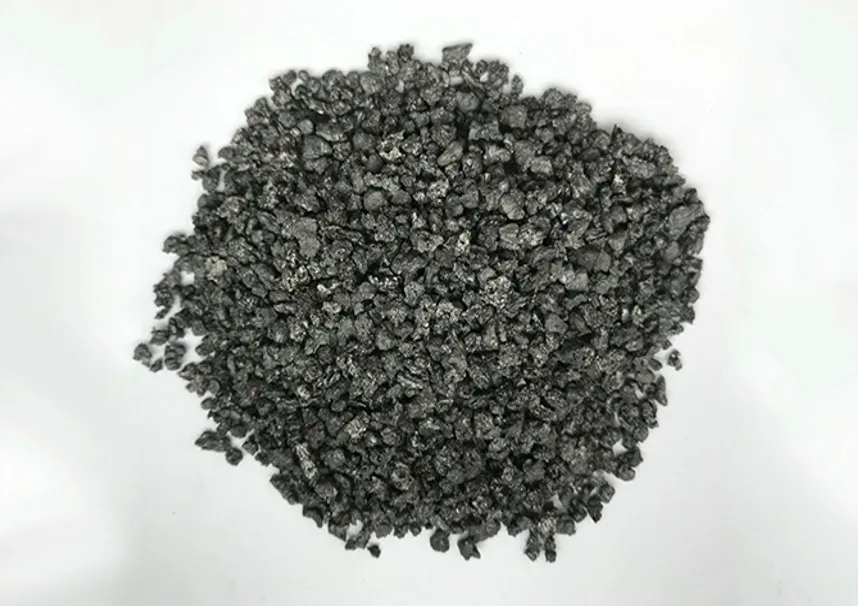
Available Particle Sizes
Custom particle size distributions are available — tell us your furnace type and feeding method, and we will recommend the optimal sizing for maximum dissolution rate and carbon recovery.
Product Specifications
| Grade | FC(%) | Ash(%) | VM(%) | S(%) | Moisture(%) |
|---|---|---|---|---|---|
| CPC Standard | 98 | 1 | 1 | 0.5 | 0.5 |
| CPC Premium | 98.5 | 0.8 | 0.8 | 0.35 | 0.5 |
| CPC Low-S | 98.5 | 0.8 | 0.8 | 0.2 | 0.3 |
Product Comparison
Review related grades side by side on their product pages to compare specifications and typical applications.
Image Gallery
Technical Resources
Frequently Asked Questions About Calcined Petroleum Coke
What is the difference between CPC and GPC?
What applications is CPC best suited for?
About Panson Carbon
Backed by 34+ Years of Carbon Expertise
When you source carbon from Panson, you are partnering with a manufacturer who has built three decades of metallurgical knowledge into every product specification. Our in-house laboratory, vertically integrated production lines, and dedicated technical sales team exist for one purpose: to ensure the carbon you receive performs exactly as your metallurgists expect.
Learn more about us"Panson's calcined anthracite coal has significantly improved our steel production efficiency. Their consistent quality and reliable supply have made them our go-to partner."
"The carbon additives from Panson have enhanced our cast iron quality remarkably. Their technical support and product range are unmatched in the industry."
Calcined Petroleum Coke Applications
Steel & Iron
Carbon additive for steelmaking restores bath carbon lost to oxidation during melting and refining—EAF heats often see on the order of 0.15–0.25% carbon burn-off per heat from scrap and slag interaction—so operators can hold narrow chemistry bands from charge to tap. In EAF practice, recarburizer and carbon raiser additions are timed with power-on, bath formation, and ladle treatment to match dissolution behavior to tap-to-tap rhythm and energy use. Basic oxygen furnace (BOF) and secondary steelmaking still rely on controlled carbon inputs and trim additions where sulfur, nitrogen, and ash limits define grade acceptance. Silicon carbide can act as a deoxidizer while contributing carbon and silicon, supporting slag–metal balance in demanding heats. CAC, GPC, CPC, Semi Coke, and SiC are selected for fixed carbon, impurities, and sizing that align with bucket, bath, or injection routes.
Foundry
Recarburizer for foundry work must track carbon equivalent (CE), inoculation response, and how quickly carbon dissolves in the melt—especially in coreless and channel induction furnaces where cycle time is tight. For ductile iron, sulfur pickup from a carbon raiser can erode nodularity unless low-sulfur graphite or calcined options are matched to the treatment recipe. Gray iron still benefits from clean, consistent carbon addition to support Type A graphite and fluidity without excess gas-forming residuals. Fine versus coarse sizing changes dissolution time at typical iron melting temperatures (~1,450–1,500 °C), influencing holding time and throughput. CAC, GPC, CPC, Semi Coke, and supporting alloys are chosen to stabilize CE, surface quality, and mechanical properties batch to batch.
Electrode
Electrode and carbon product manufacturing — including graphite electrodes for EAF steelmaking, aluminum cathode blocks, and conductive carbon pastes — relies on carbon raw materials with consistent physical and chemical properties. GPC provides the graphitized carbon structure needed for electrode-grade applications, CPC offers high real density for anode and cathode uses, and CAC serves as a cost-effective filler in carbon paste formulations.
Interested in Calcined Petroleum Coke?
Request a free sample to validate performance in your own furnace, or speak with our technical team about optimizing your carbon addition practice for better recovery and lower total cost.
Contact Us Now