
Ferro Silicon (FeSi)
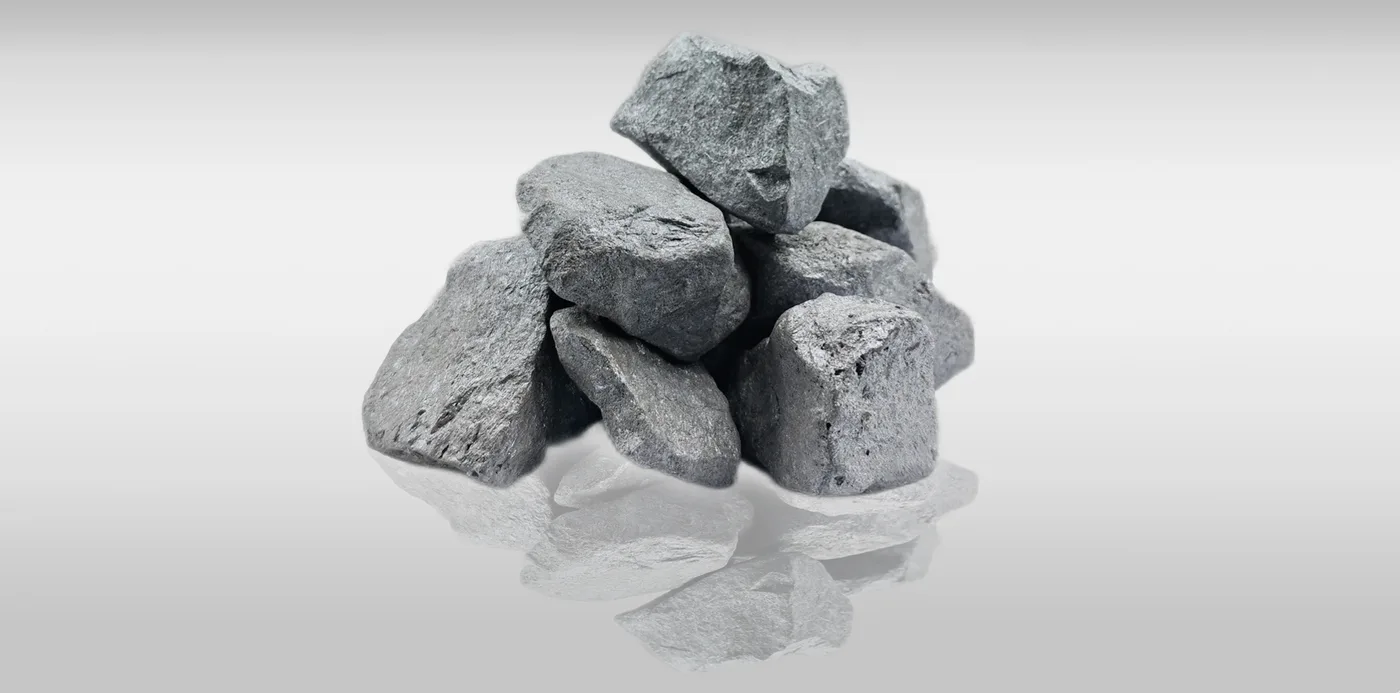
Ferro Silicon
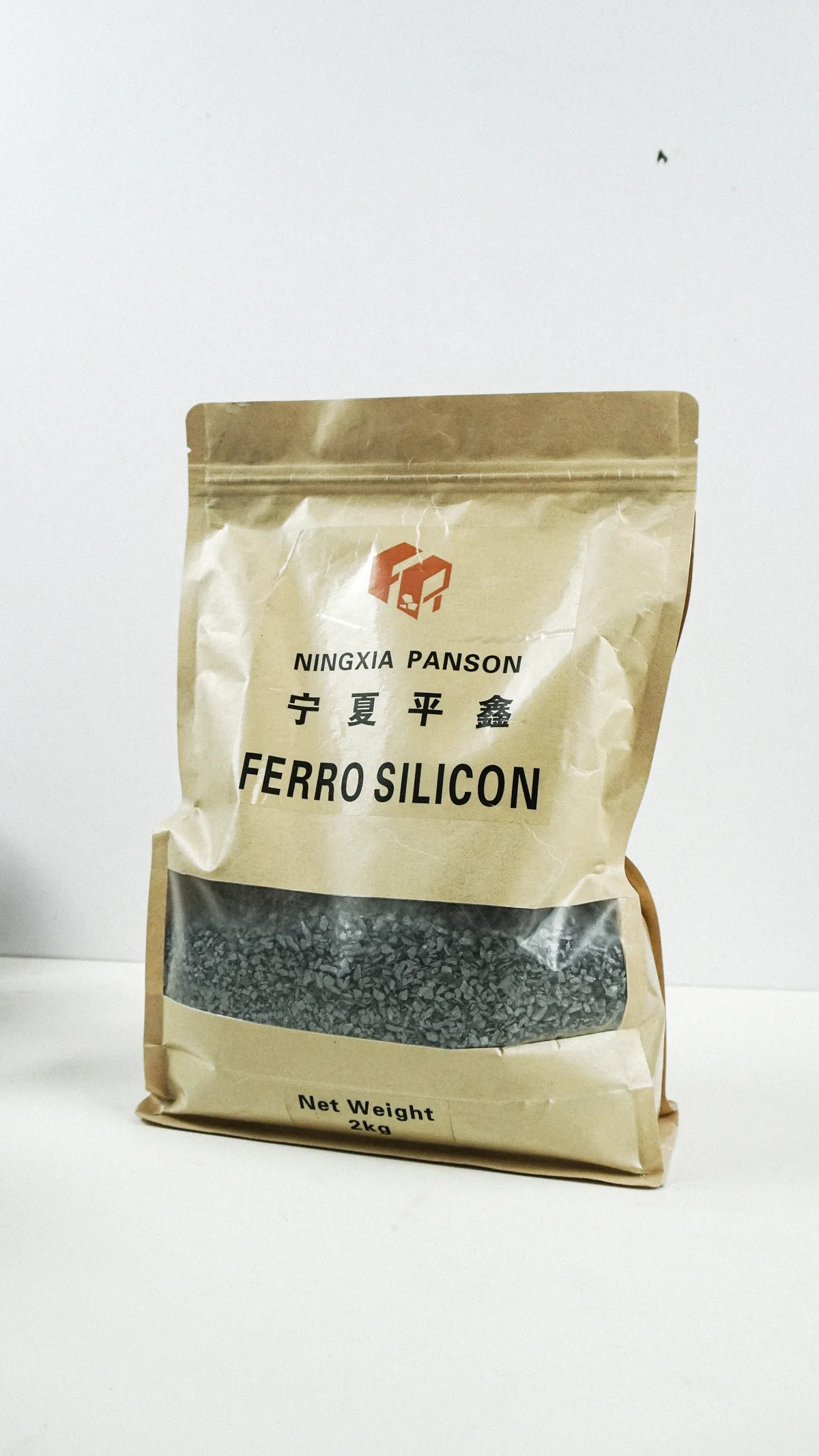
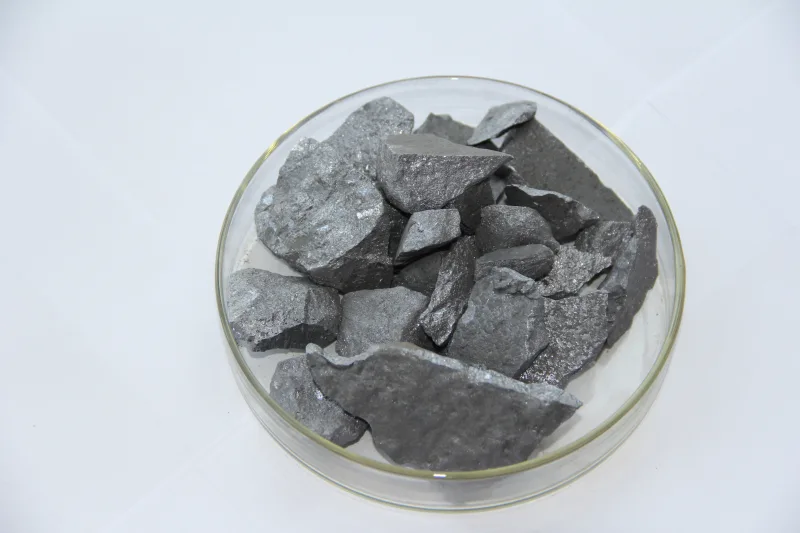
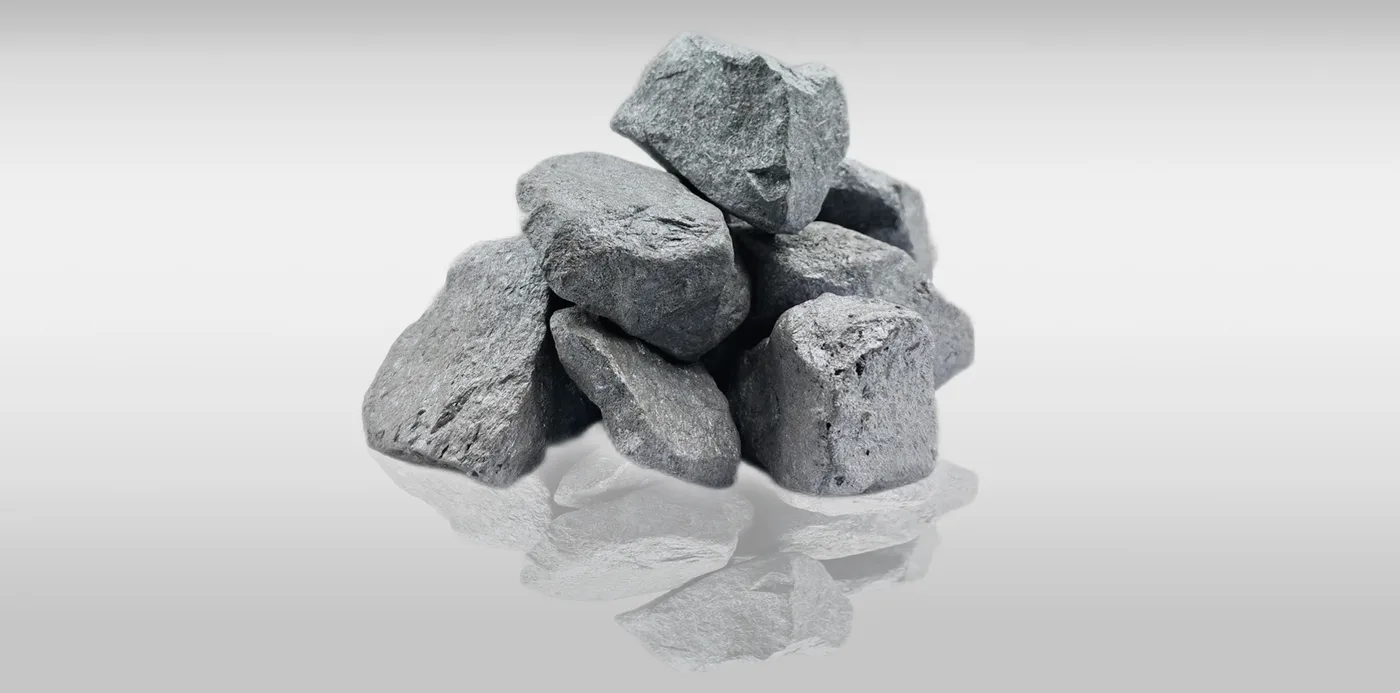
Ferro silicon (FeSi) remains the benchmark deoxidizer in carbon and alloy steelmaking and simultaneously the standard vehicle for intentional silicon additions when melt specifications call for FeSi 72 or FeSi 75 rather than lower-silicon variants. In the ladle and furnace, silicon ties up dissolved oxygen through silica-bearing slag phases—that is the deoxidation mechanism—while raising soluble silicon for strength, solid-solution effects, and certain inclusion-engineering strategies in specialty grades. Our FeSi is produced in Ningxia submerged arc furnaces from high-purity quartz and graded metallurgical reductants, the conventional industrial configuration for consistent tap chemistry and campaign-to-campaign stability. Trace aluminum and calcium, often scrutinized on mill certificates, influence inclusion populations and ladle nozzle behavior in clean-steel routes, which is why buyers pair grade and supplier to internal limits that exceed generic catalogue descriptions. Granular and lump size cuts (for example 3–10 mm, 10–50 mm, and 50–100 mm) are specified to match dissolution and recovery in BOF, EAF, and ladle additions. In procurement language, FeSi 72/75 denotes the silicon band most structural, engineering, and stainless-adjacent melts target, making the alloy both a deoxidation staple and a silicon alloying input across integrated and mini-mill steelmaking.
Request Quote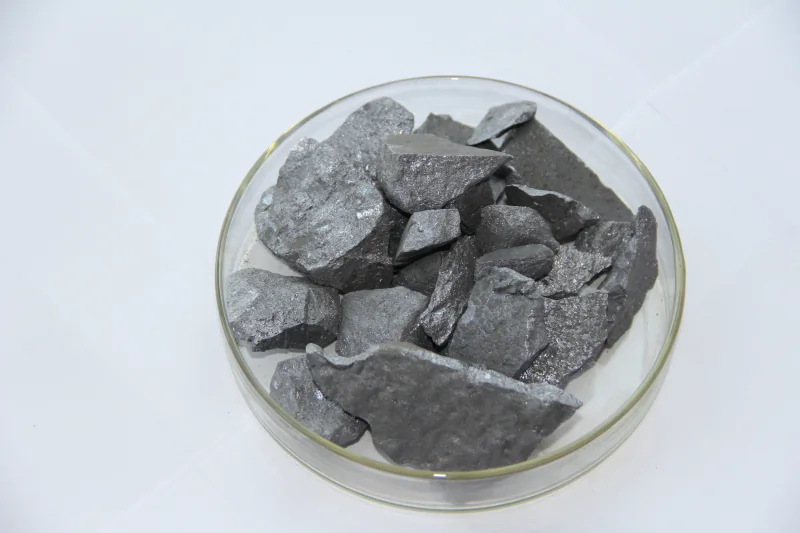
Technical Characteristics & Performance
Key Features
- Silicon content ranges from 15% to 90%
- Available in various grades and forms
- Improves mechanical properties
- Eco-friendly production benefits
Additional Benefits
- High density: 2.4-2.8 g/cm³
- Melting point: 1200-1350°C
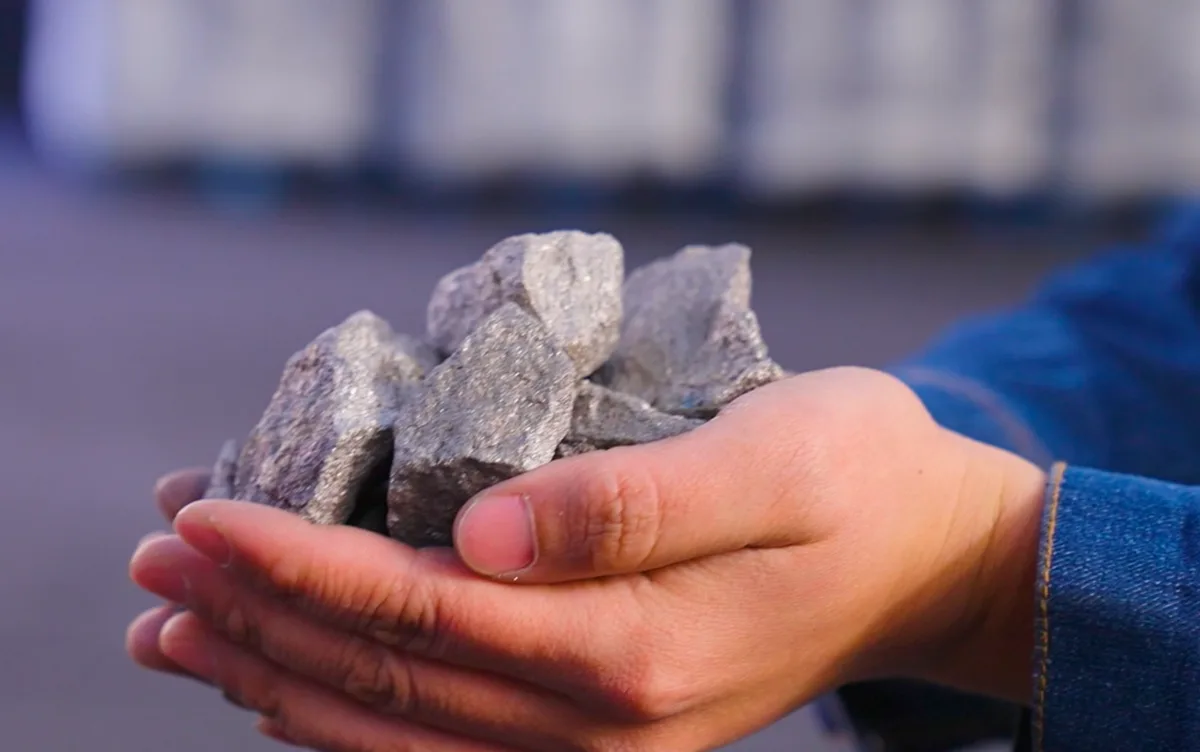
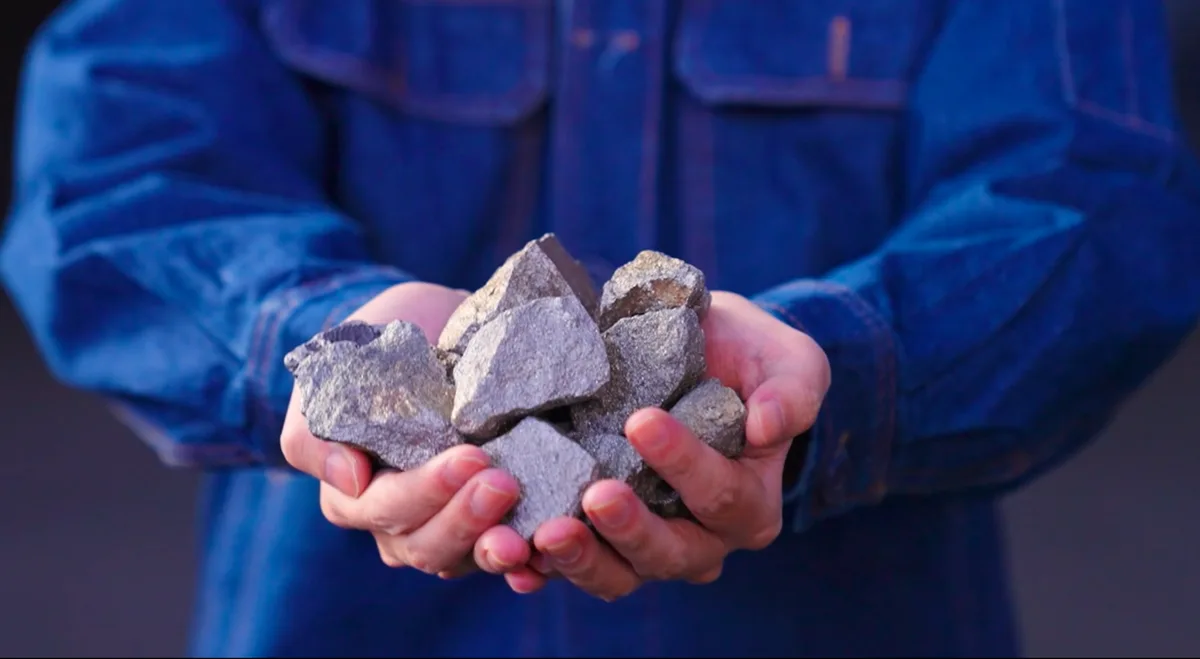
- Granular or lump forms available
- Strong bonding with iron
Available Particle Sizes
Custom particle size distributions are available — tell us your furnace type and feeding method, and we will recommend the optimal sizing for maximum dissolution rate and carbon recovery.
Product Comparison
Review related grades side by side on their product pages to compare specifications and typical applications.
Image Gallery
Frequently Asked Questions About Ferro Silicon
What grades of Ferro Silicon does Panson supply?
How is Ferro Silicon used in steelmaking?
About Panson Carbon
Backed by 34+ Years of Carbon Expertise
When you source carbon from Panson, you are partnering with a manufacturer who has built three decades of metallurgical knowledge into every product specification. Our in-house laboratory, vertically integrated production lines, and dedicated technical sales team exist for one purpose: to ensure the carbon you receive performs exactly as your metallurgists expect.
Learn more about us"Panson's calcined anthracite coal has significantly improved our steel production efficiency. Their consistent quality and reliable supply have made them our go-to partner."
"The carbon additives from Panson have enhanced our cast iron quality remarkably. Their technical support and product range are unmatched in the industry."
Ferro Silicon Applications
Foundry
Recarburizer for foundry work must track carbon equivalent (CE), inoculation response, and how quickly carbon dissolves in the melt—especially in coreless and channel induction furnaces where cycle time is tight. For ductile iron, sulfur pickup from a carbon raiser can erode nodularity unless low-sulfur graphite or calcined options are matched to the treatment recipe. Gray iron still benefits from clean, consistent carbon addition to support Type A graphite and fluidity without excess gas-forming residuals. Fine versus coarse sizing changes dissolution time at typical iron melting temperatures (~1,450–1,500 °C), influencing holding time and throughput. CAC, GPC, CPC, Semi Coke, and supporting alloys are chosen to stabilize CE, surface quality, and mechanical properties batch to batch.
Non-Ferrous Metal
Non-ferrous routes—from Hall–Héroult aluminum cells to secondary copper and specialty alloys—depend on carbon and silicon carbide inputs that respect conductivity, reactivity, and trace impurity envelopes. Anode-grade carbon materials must support stable cell operation and metal quality; deviations in density or impurities can show up as dusting, instability, or off-spec metal. In copper, deoxidizer selection (including SiC-based practice where it fits the flowsheet) ties to oxygen control for conductivity-critical grades. High-temperature melting and refining still use carbon and SiC where chemical reduction, slag control, or exothermic contribution matters. Our portfolio is positioned for these roles with grades and sizing aimed at furnace type and quality targets—not generic “carbon in, metal out” supply.
Ferroalloys
Ferroalloy smelting in submerged arc furnaces (SAF) relies on carbon reductants with controlled sizing, low ash, and predictable reactivity to convert oxide ores into metallic alloys. Semi-coke and calcined anthracite serve as primary reductants for FeSi, SiMn, and silicon metal production, where lump integrity, furnace permeability, and impurity budgets (particularly phosphorus, sulfur, and ash) directly impact alloy grade, energy consumption, and furnace stability.
Interested in Ferro Silicon?
Request a free sample to validate performance in your own furnace, or speak with our technical team about optimizing your carbon addition practice for better recovery and lower total cost.
Contact Us Now