
Silicon Manganese (SiMn)
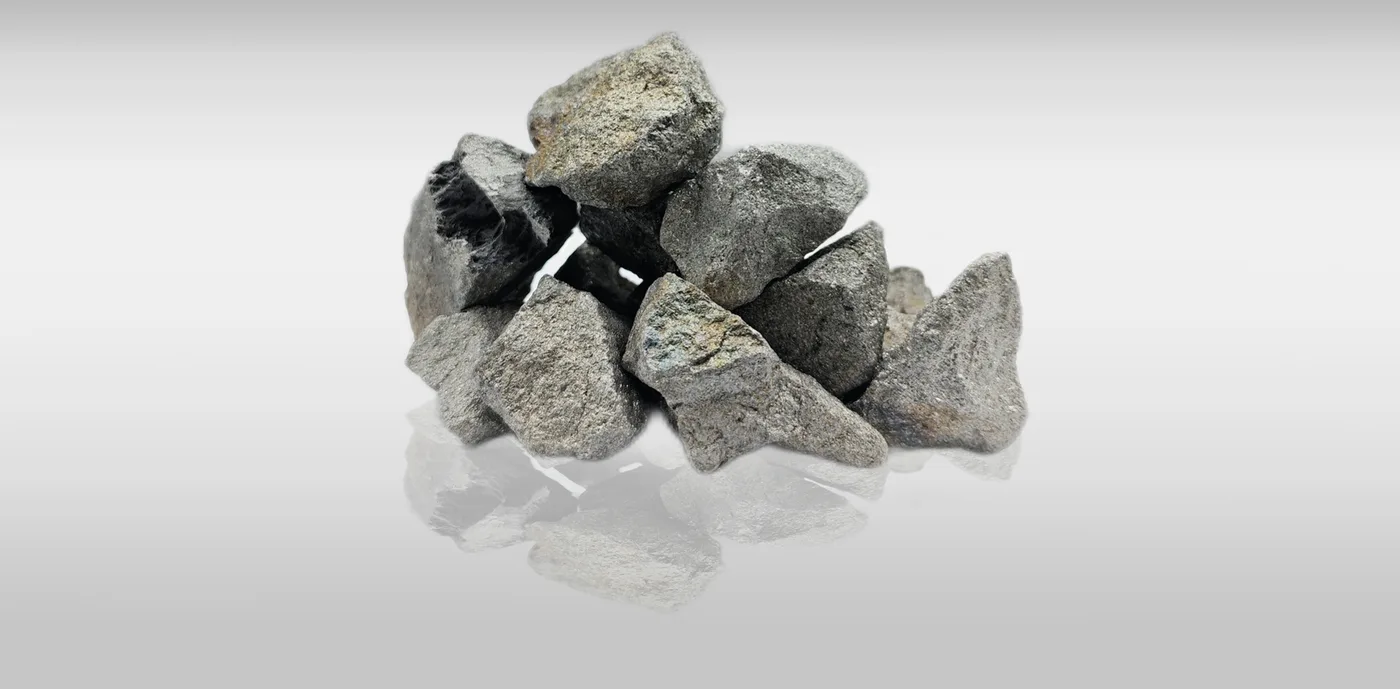
Silicon Manganese
Silicon manganese (SiMn) is a composite ferroalloy formulated so a single addition contributes silicon-driven deoxidation and manganese alloying, which is why it anchors efficiency programs in long products and many flat-rolled routes. Typical chemistry is described by a manganese band near 65–70% together with silicon near 15–20%, matching the dual requirement to scavenge oxygen while raising dissolved manganese for hardenability and tensile properties without always staging separate ferromanganese and ferrosilicon shots. Single-addition efficiency shows up as shorter ladle treatment cycles, fewer weigh-hopper events, and often improved bath homogeneity because the melt sees one coordinated increment instead of staggered FeMn and FeSi additions. Our SiMn is smelted in submerged arc furnaces with attention to carbon and phosphorus control, which matters wherever phosphorus caps are contractual and carbon pickup must stay inside narrow windows for low-carbon steel grades. Structural steel, rebar, and wire rod producers are heavy consumers because SiMn aligns with their manganese–silicon balance sheets and simplifies melt-shop logistics. Metallurgically, SiMn is the pragmatic choice when the objective is predictable deoxidation plus manganese contribution per kilogram charged, mapped to the 65–70% Mn / 15–20% Si specification language buyers use in annual alloy contracts.
Request Quote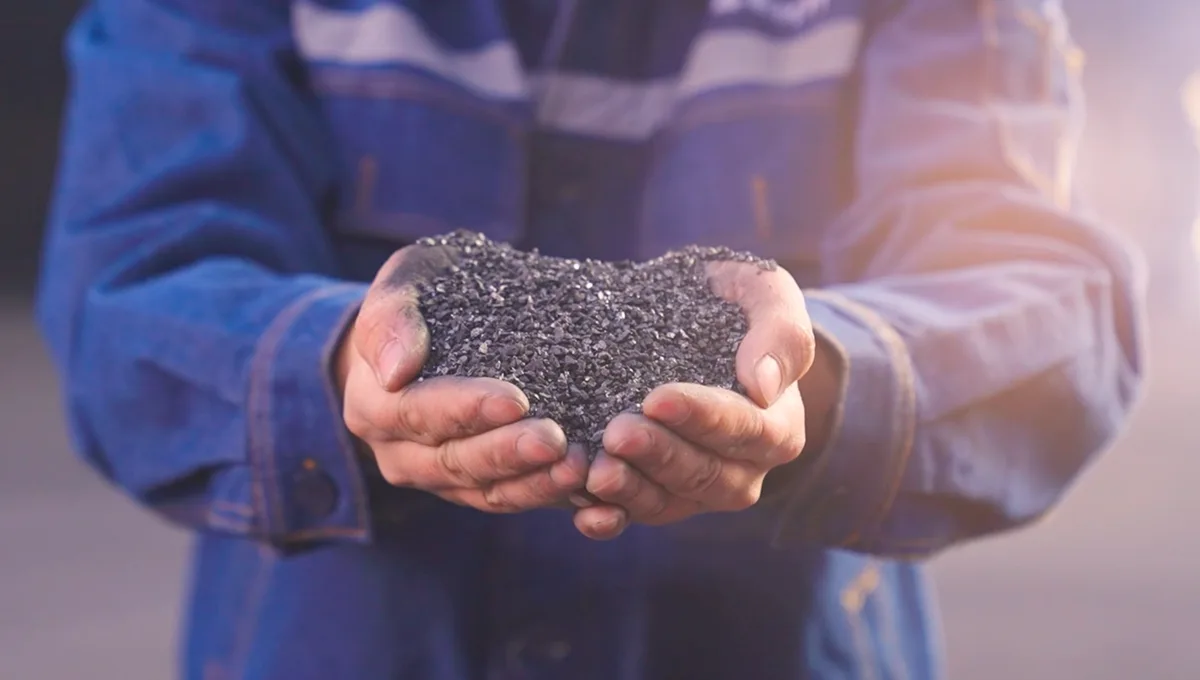
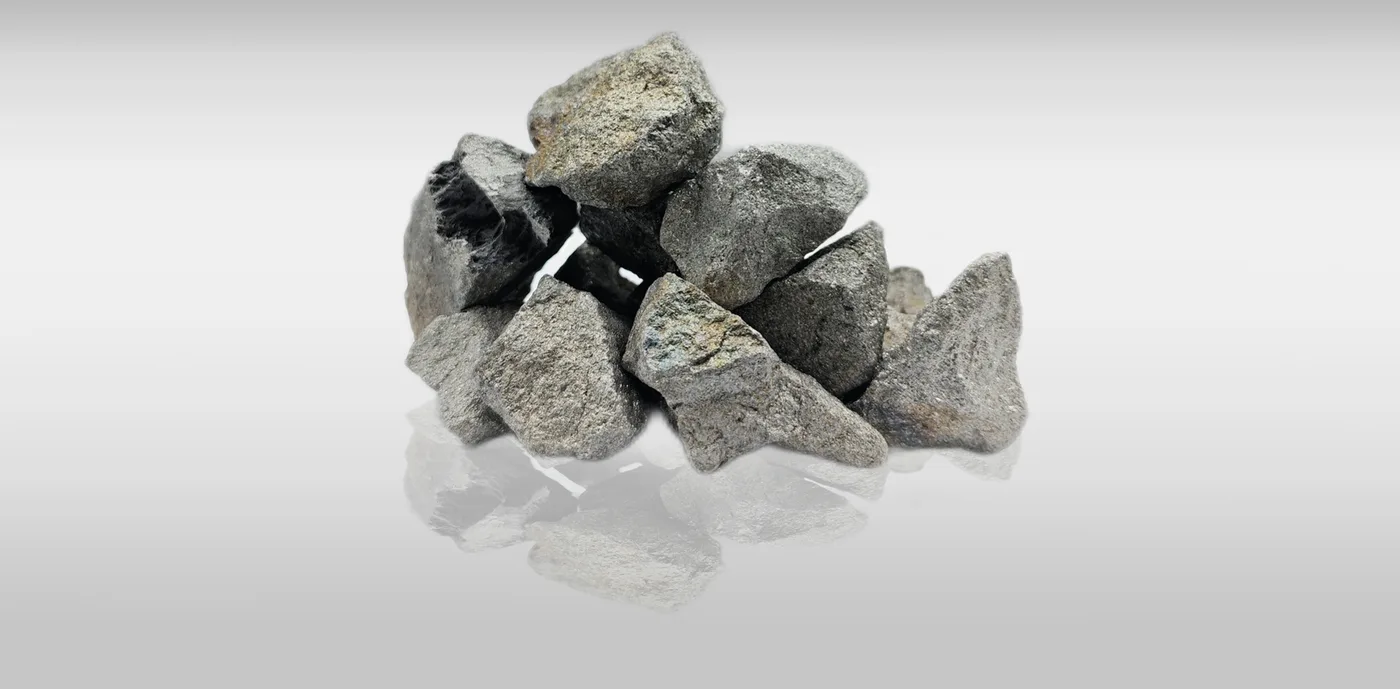
Technical Characteristics & Performance
Key Features
- High Manganese Content
- Contains 10-20% silicon
- Low Carbon Levels
- High Purity
Additional Benefits
- Granular Form
- High Density
- Dual deoxidizer and alloying agent
- Multiple grades available
Product Comparison
Review related grades side by side on their product pages to compare specifications and typical applications.
Frequently Asked Questions About Silicon Manganese
What is Silicon Manganese and what grades are available?
Why use SiMn instead of separate FeSi and FeMn additions?
About Panson Carbon
Backed by 34+ Years of Carbon Expertise
When you source carbon from Panson, you are partnering with a manufacturer who has built three decades of metallurgical knowledge into every product specification. Our in-house laboratory, vertically integrated production lines, and dedicated technical sales team exist for one purpose: to ensure the carbon you receive performs exactly as your metallurgists expect.
Learn more about us"Panson's calcined anthracite coal has significantly improved our steel production efficiency. Their consistent quality and reliable supply have made them our go-to partner."
"The carbon additives from Panson have enhanced our cast iron quality remarkably. Their technical support and product range are unmatched in the industry."
Silicon Manganese Applications
Non-Ferrous Metal
Non-ferrous routes—from Hall–Héroult aluminum cells to secondary copper and specialty alloys—depend on carbon and silicon carbide inputs that respect conductivity, reactivity, and trace impurity envelopes. Anode-grade carbon materials must support stable cell operation and metal quality; deviations in density or impurities can show up as dusting, instability, or off-spec metal. In copper, deoxidizer selection (including SiC-based practice where it fits the flowsheet) ties to oxygen control for conductivity-critical grades. High-temperature melting and refining still use carbon and SiC where chemical reduction, slag control, or exothermic contribution matters. Our portfolio is positioned for these roles with grades and sizing aimed at furnace type and quality targets—not generic “carbon in, metal out” supply.
Ferroalloys
Ferroalloy smelting in submerged arc furnaces (SAF) relies on carbon reductants with controlled sizing, low ash, and predictable reactivity to convert oxide ores into metallic alloys. Semi-coke and calcined anthracite serve as primary reductants for FeSi, SiMn, and silicon metal production, where lump integrity, furnace permeability, and impurity budgets (particularly phosphorus, sulfur, and ash) directly impact alloy grade, energy consumption, and furnace stability.
Interested in Silicon Manganese?
Request a free sample to validate performance in your own furnace, or speak with our technical team about optimizing your carbon addition practice for better recovery and lower total cost.
Contact Us Now