
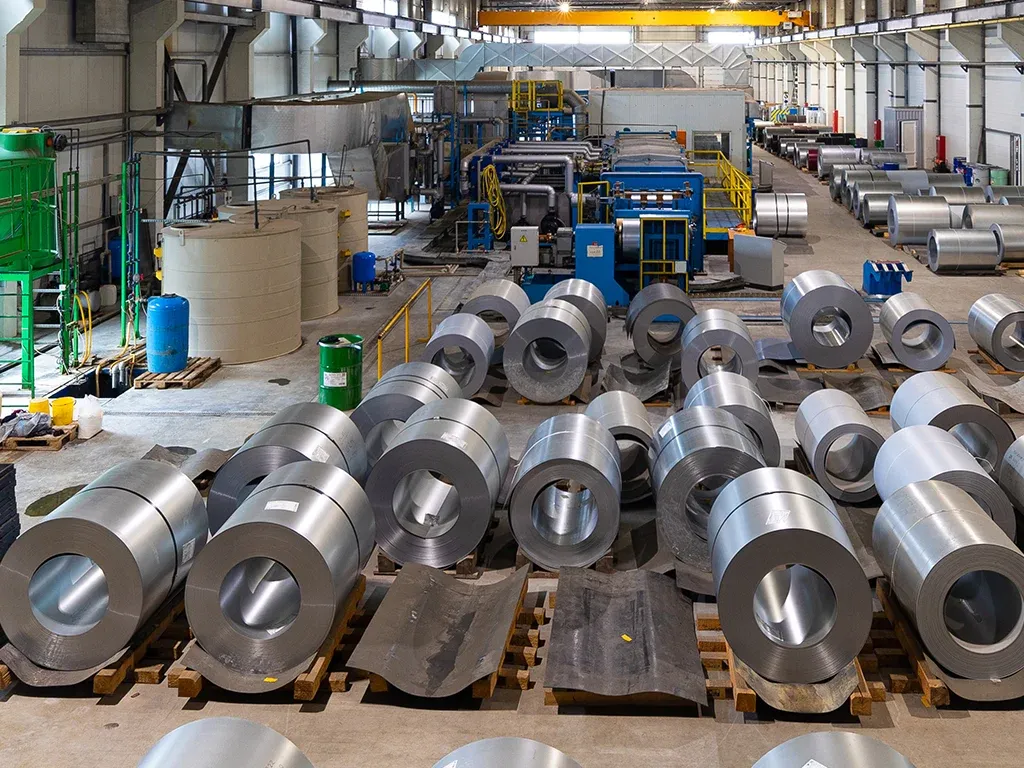
Non-Ferrous Metal Industry
Aluminum smelting and copper refining punish inconsistent carbon inputs: anode-grade CPC must behave predictably in the cell, while refining lines need deoxidation paths that hit oxygen and impurity budgets without side reactions. That is why non-ferrous customers specify carbon raiser, SiC, and related metallurgical products for both electrochemical and pyrometallurgical steps. We focus on purity, consistency, and application-matched sizing so carbon additive strategy supports current efficiency, metal cleanliness, and repeatable refining outcomes.
Application Overview
Carbon & Alloy Solutions for Non-Ferrous Metal
Non-ferrous routes—from Hall–Héroult aluminum cells to secondary copper and specialty alloys—depend on carbon and silicon carbide inputs that respect conductivity, reactivity, and trace impurity envelopes. Anode-grade carbon materials must support stable cell operation and metal quality; deviations in density or impurities can show up as dusting, instability, or off-spec metal. In copper, deoxidizer selection (including SiC-based practice where it fits the flowsheet) ties to oxygen control for conductivity-critical grades. High-temperature melting and refining still use carbon and SiC where chemical reduction, slag control, or exothermic contribution matters. Our portfolio is positioned for these roles with grades and sizing aimed at furnace type and quality targets—not generic “carbon in, metal out” supply.
Industry Challenges
- Achieving <0.1% impurity levels in aluminum, copper, and specialty alloys where trace elements affect conductivity and corrosion resistance
- Effective deoxidation in copper refining where dissolved oxygen must be reduced to <10 ppm for high-conductivity grades
- Managing the carbon consumption rate in Hall-Héroult aluminum cells to maintain anode quality and minimize carbon dust generation
- Reducing specific energy consumption in electric furnaces through exothermic deoxidizer selection and optimized charge practices
- Meeting aerospace-grade alloy specifications (AMS, ASTM) where trace element limits are measured in single-digit ppm
Our Solutions
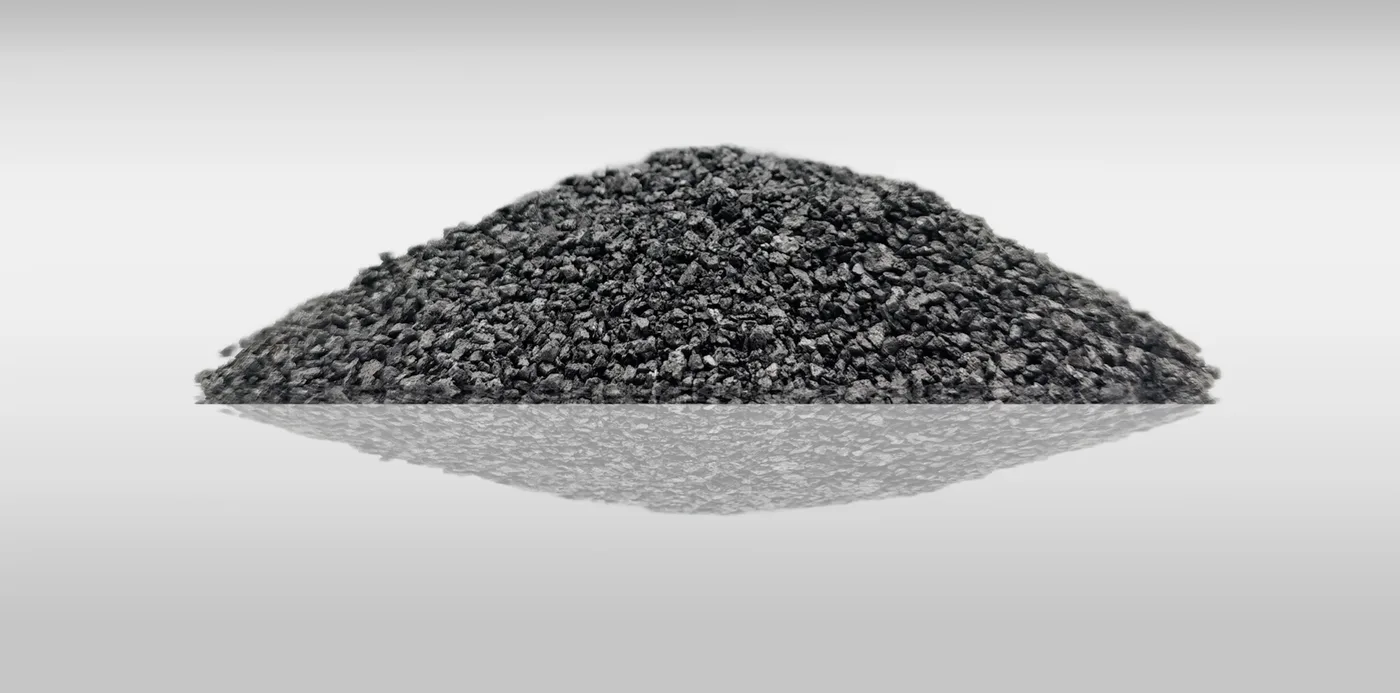
- Metallurgical-grade SiC for copper deoxidation — providing silicon for oxygen removal while contributing exothermic energy that reduces electrical consumption
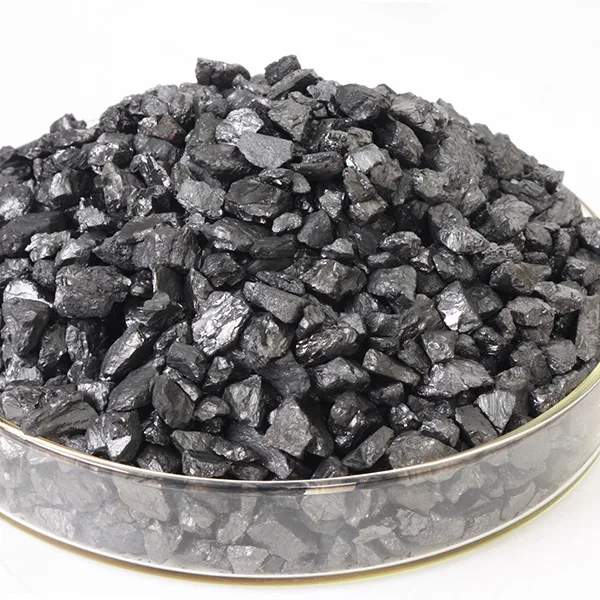
- Anode-grade CPC with controlled real density and low metallic impurities for aluminum smelting applications
- Custom particle size distributions optimized for specific furnace types — from small tilt-pour induction units to large reverberatory furnaces
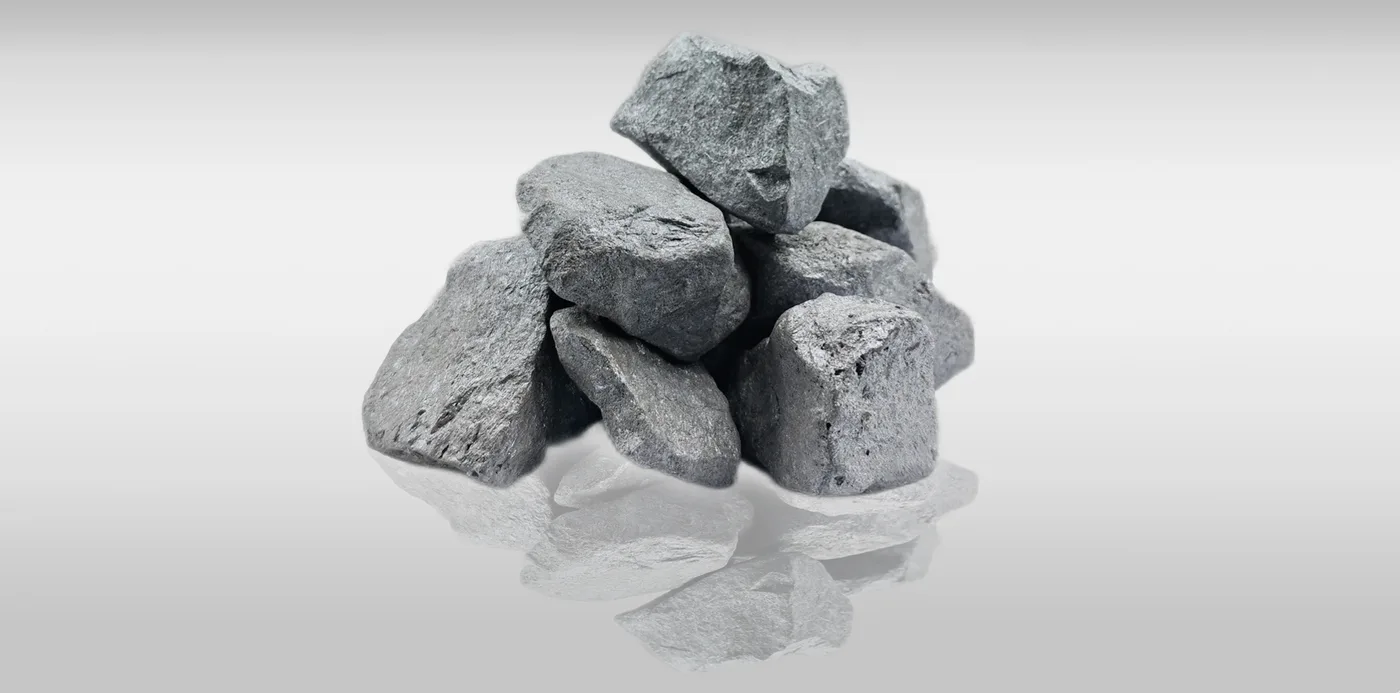
- High-purity FeSi with controlled aluminum and calcium for secondary refining of stainless steel and specialty alloys
Recommended Products
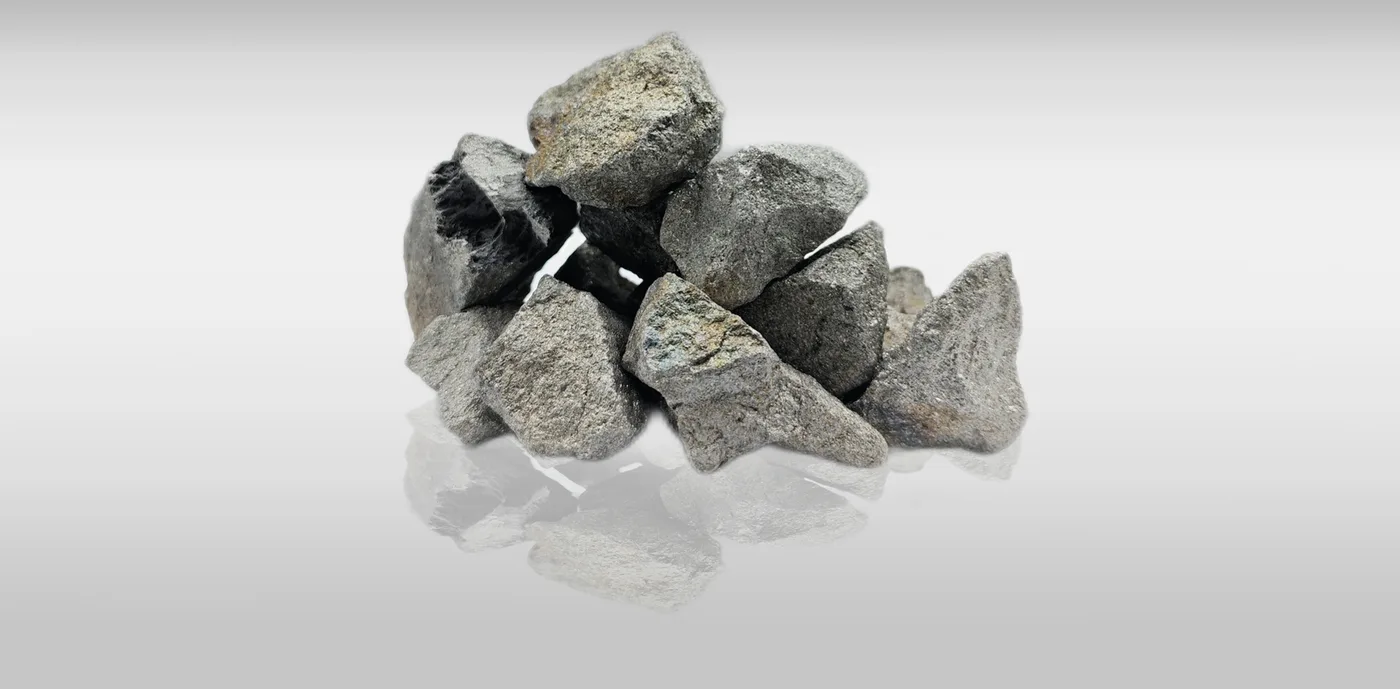
These carbon additives and alloy products are optimized for non-ferrous metal applications.
Key Benefits
Measurably higher alloy purity through lower-impurity carbon and deoxidizer inputs — directly improving downstream product properties
Improved thermal efficiency through exothermic SiC reactions, reducing electrical energy consumption by 5–10% in comparable operations
Longer anode life and lower carbon dust generation in aluminum cells through consistent CPC real density and low reactivity
Tighter alloy composition control through consistent-quality inputs with lot-specific Certificates of Analysis
Need Carbon Additives for Non-Ferrous Metal?
Our technical team can recommend the optimal carbon additive grade, particle size, and addition practice for your specific non-ferrous metal process. Request a free sample to validate performance in your furnace before committing to production volumes.