
Industry Applications
Our carbon additives and alloy products serve diverse industries worldwide, delivering superior performance in every application. Deep expertise across steelmaking, foundry, non-ferrous metals, and chemical processing.
Industries We Serve
Select an industry to learn how our carbon additives and alloy products address specific challenges.
Steel and Iron Industry
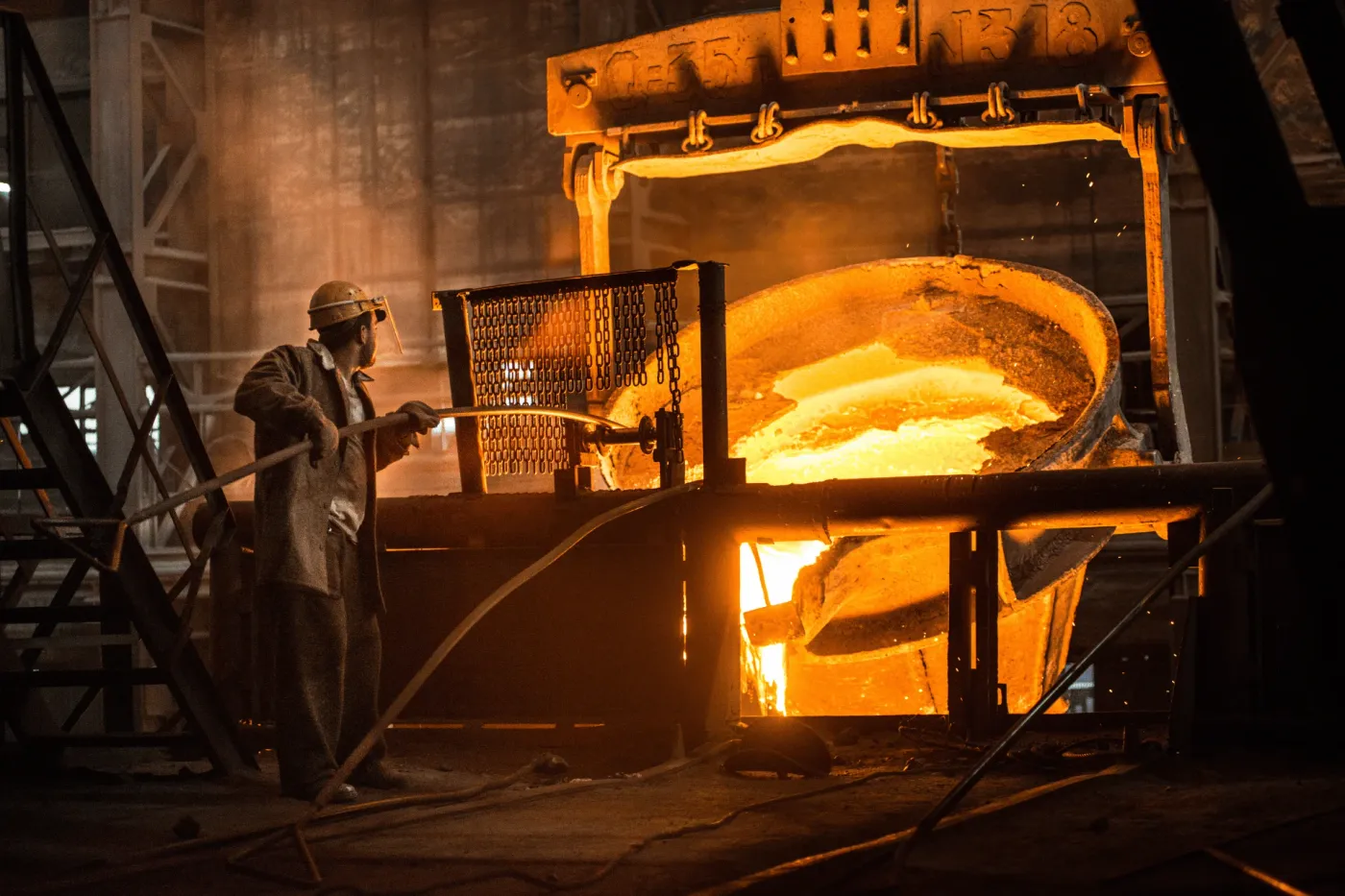
Carbon additive for steelmaking restores bath carbon lost to oxidation during melting and refining—EAF heats often see on the order of 0.15–0.25% carbon burn-off per heat from scrap and slag interaction—so operators can hold narrow chemistry bands from charge to tap. In EAF practice, recarburizer and carbon raiser additions are timed with power-on, bath formation, and ladle treatment to match dissolution behavior to tap-to-tap rhythm and energy use. Basic oxygen furnace (BOF) and secondary steelmaking still rely on controlled carbon inputs and trim additions where sulfur, nitrogen, and ash limits define grade acceptance. Silicon carbide can act as a deoxidizer while contributing carbon and silicon, supporting slag–metal balance in demanding heats. CAC, GPC, CPC, Semi Coke, and SiC are selected for fixed carbon, impurities, and sizing that align with bucket, bath, or injection routes.
Explore Solution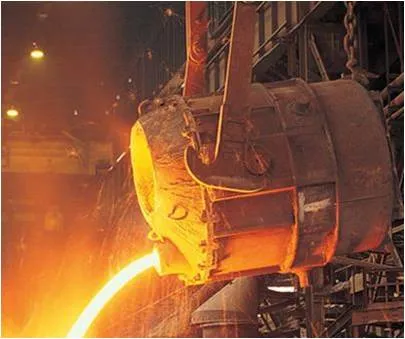
Foundry Industry
Recarburizer for foundry work must track carbon equivalent (CE), inoculation response, and how quickly carbon dissolves in the melt—especially in coreless and channel induction furnaces where cycle time is tight. For ductile iron, sulfur pickup from a carbon raiser can erode nodularity unless low-sulfur graphite or calcined options are matched to the treatment recipe. Gray iron still benefits from clean, consistent carbon addition to support Type A graphite and fluidity without excess gas-forming residuals. Fine versus coarse sizing changes dissolution time at typical iron melting temperatures (~1,450–1,500 °C), influencing holding time and throughput. CAC, GPC, CPC, Semi Coke, and supporting alloys are chosen to stabilize CE, surface quality, and mechanical properties batch to batch.
Explore Solution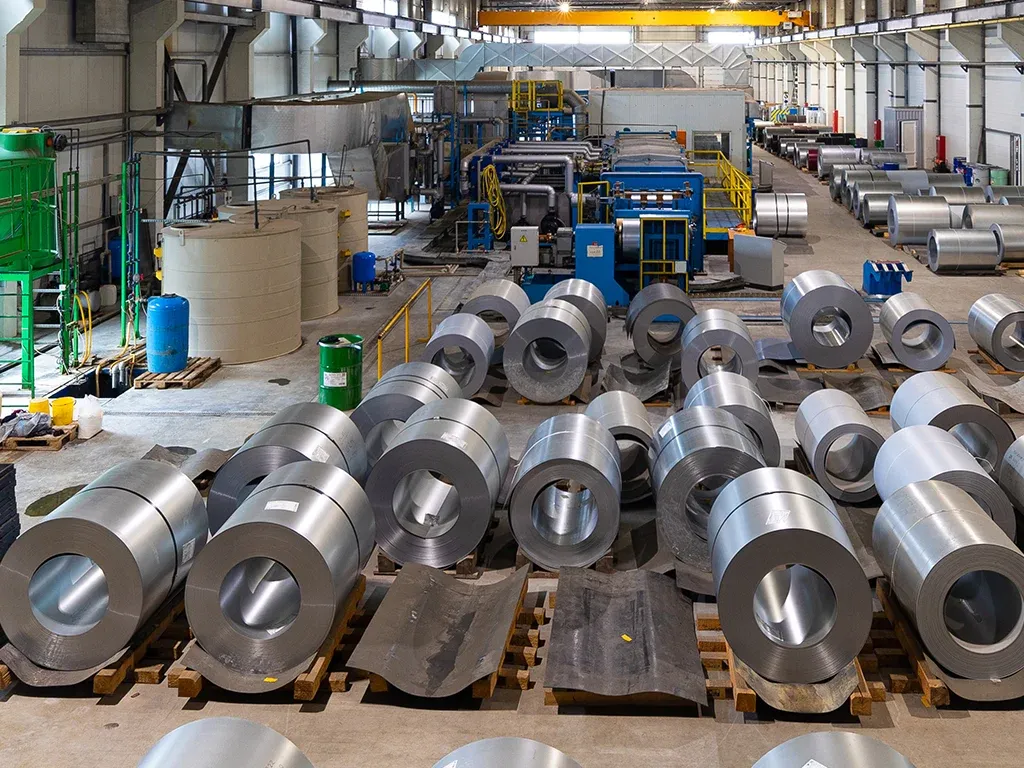
Non-Ferrous Metal Industry
Non-ferrous routes—from Hall–Héroult aluminum cells to secondary copper and specialty alloys—depend on carbon and silicon carbide inputs that respect conductivity, reactivity, and trace impurity envelopes. Anode-grade carbon materials must support stable cell operation and metal quality; deviations in density or impurities can show up as dusting, instability, or off-spec metal. In copper, deoxidizer selection (including SiC-based practice where it fits the flowsheet) ties to oxygen control for conductivity-critical grades. High-temperature melting and refining still use carbon and SiC where chemical reduction, slag control, or exothermic contribution matters. Our portfolio is positioned for these roles with grades and sizing aimed at furnace type and quality targets—not generic “carbon in, metal out” supply.
Explore Solution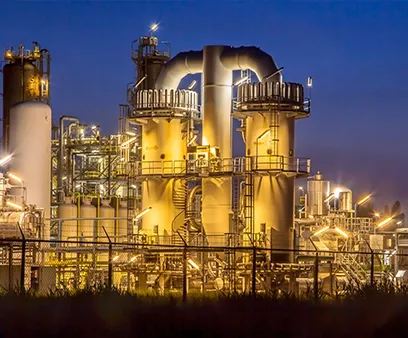
Chemical Industry
Silicon carbide is widely used where ceramics see simultaneous heat, corrosive atmospheres, and thermal shock—kiln furniture, setter plates, and furnace hardware operating from roughly 1,200 °C up through the highest practical firing regimes depend on SiC’s thermal shock resistance and hot strength. In fixed- and fluidized-bed units, SiC-based media and supports can stabilize temperature distribution and withstand erosive flow when catalyst carriers must last whole campaigns. Carbothermic and high-temperature reductions also draw on high fixed-carbon materials when a controlled carbon source is part of the chemistry. For carbon electrodes and conductive carbon forms, low ash and consistent real density support electrical and process predictability. Our SiC, CAC, and GPC lines map to refractory structure, reduction chemistry, and conductive carbon needs in chemical and materials plants.
Explore Solution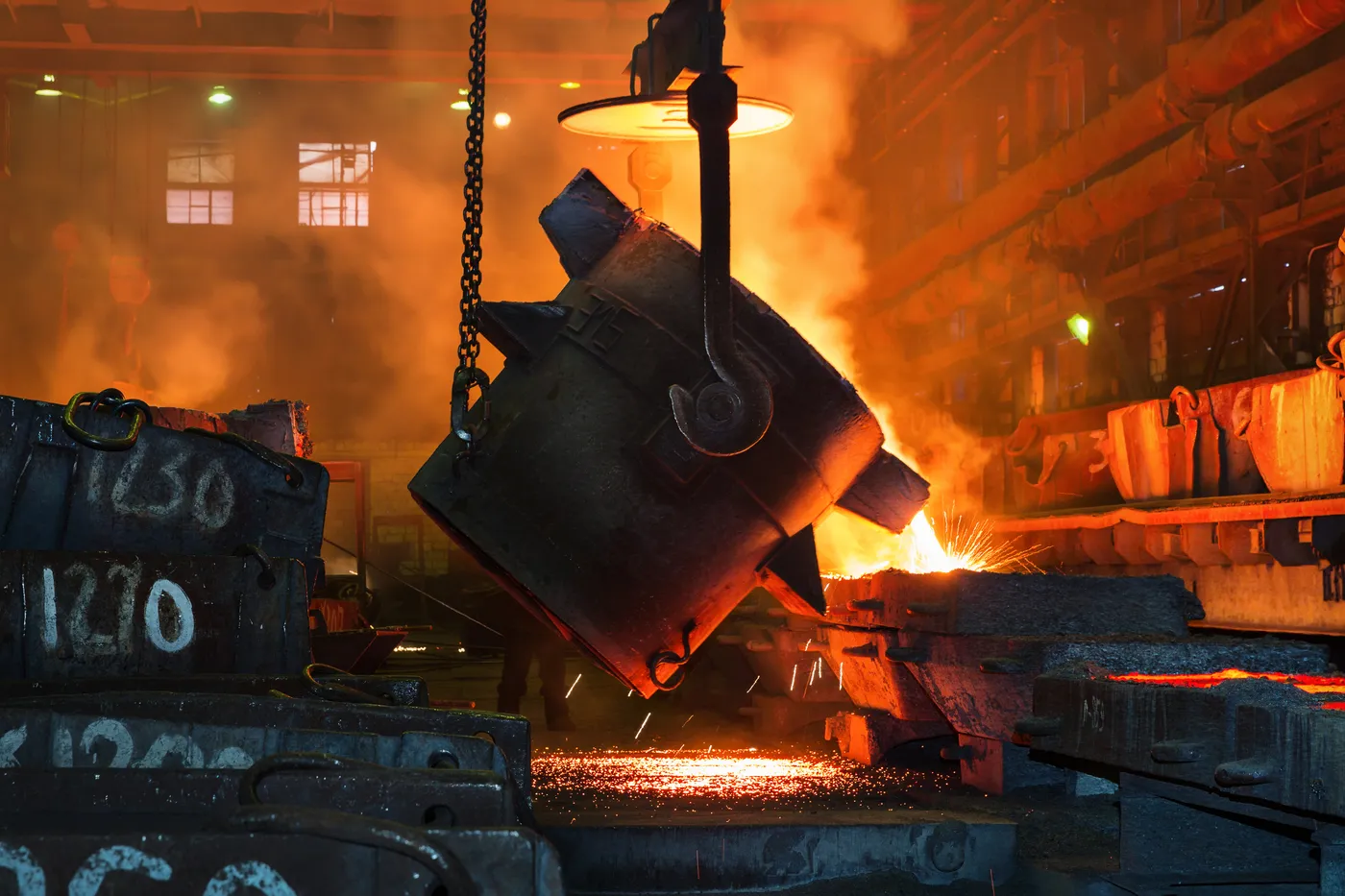
Electrode & Carbon Products
Electrode and carbon product manufacturing — including graphite electrodes for EAF steelmaking, aluminum cathode blocks, and conductive carbon pastes — relies on carbon raw materials with consistent physical and chemical properties. GPC provides the graphitized carbon structure needed for electrode-grade applications, CPC offers high real density for anode and cathode uses, and CAC serves as a cost-effective filler in carbon paste formulations.
Explore Solution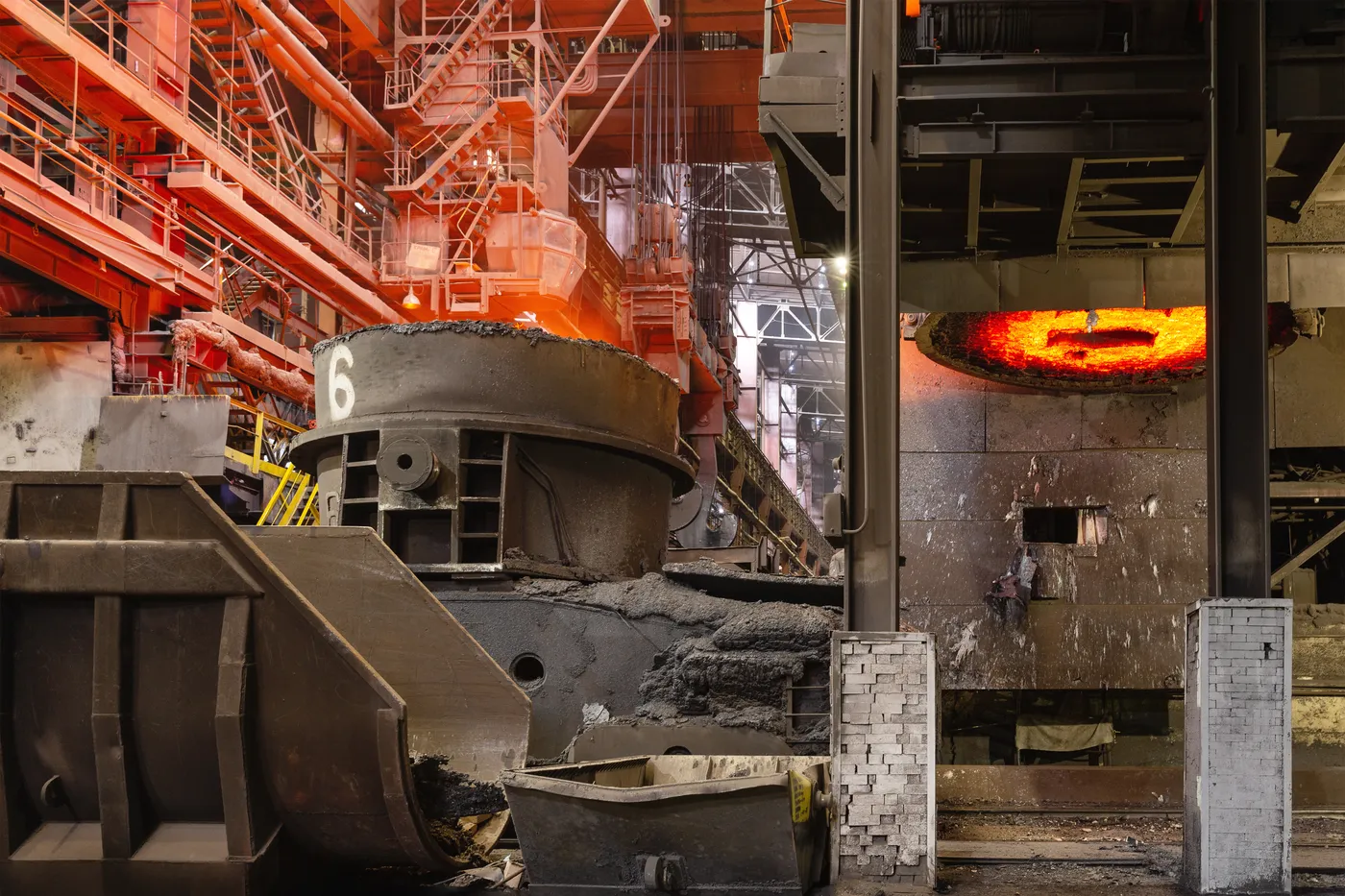
Ferroalloy Production
Ferroalloy smelting in submerged arc furnaces (SAF) relies on carbon reductants with controlled sizing, low ash, and predictable reactivity to convert oxide ores into metallic alloys. Semi-coke and calcined anthracite serve as primary reductants for FeSi, SiMn, and silicon metal production, where lump integrity, furnace permeability, and impurity budgets (particularly phosphorus, sulfur, and ash) directly impact alloy grade, energy consumption, and furnace stability.
Explore SolutionNeed a Custom Solution?
Our application engineers have deep experience across industries. Share your requirements and we'll recommend the right solution.
Request Technical Consultation